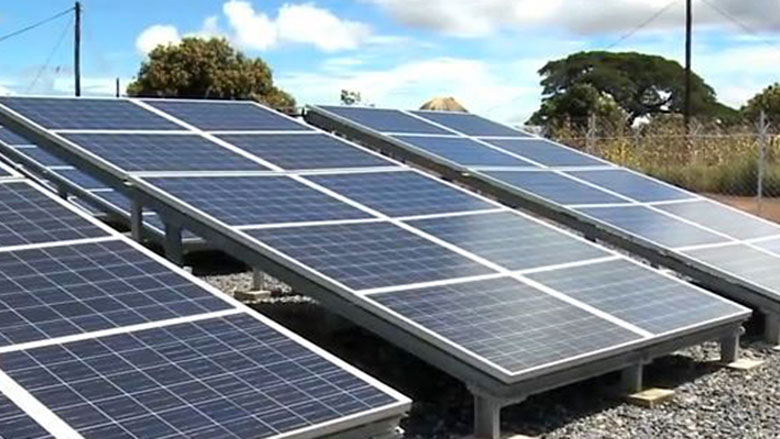
Renewable energy is among the sectors funded for start-ups. Investments in climate technologies are experiencing spectacular growth across the African continent. According to the report The State of ClimateTech in Africa 2.0: Moving Beyond the Headline Numbers, African start-ups specializing in climate technologies raised approximately 6.35 billion dollars between 2016 and 2025. Unfortunately, Madagascar still appears as a discreet player in this new green economy. Yet, with its immense potential in renewable energy, sustainable agriculture, and biodiversity preservation, the island has numerous assets to attract investors specialized in ClimateTech.
Broad Range of Sectors
Note that climate technologies, better known as "ClimateTech," encompass innovations designed to combat the effects of climate change or enable populations to better adapt to it. They cover a wide range of sectors, from solar energy to clean transportation, through smart agriculture, water management, waste recycling, and carbon markets. In Madagascar, where electricity access rates remain very low, needs are immense. These demands open significant prospects for companies offering individual solar kits, mini-grids, or mobile payment solutions adapted to rural households. Agriculture is also a strategic sector. Facing droughts, cyclones, and seasonal disruptions, agricultural actors need tools to improve their productivity while adapting to new climate conditions. Digital weather information applications, water-efficient irrigation systems, and platforms directly connecting producers to markets are among solutions likely to develop in coming years.
Assets
Waste valorization represents another promising field. Several local initiatives already explore plastic recycling, organic waste composting, or manufacturing ecological fuels from agricultural residues. Added to this is a major comparative advantage: the exceptional richness of Madagascar's biodiversity. Forest restoration projects, mangrove protection, or carbon sequestration offer financing prospects within voluntary carbon markets, a rapidly expanding segment internationally. Despite these assets, Madagascar still struggles to attract capital for innovative young enterprises. Investors often highlight several constraints: a relatively limited domestic market, still difficult access to financing, an underdeveloped venture capital ecosystem, insufficient infrastructure, and a perception of country risk that remains high. Consequently, few young Malagasy companies currently manage to raise significant financing from international funds specialized in climate technologies.