Domestic
UN and AU demand truly inclusive national dialogue process
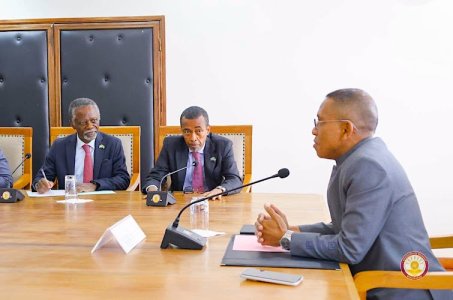
The demand for a national dialogue open to all Malagasy perspectives is increasingly becoming the main message from international partners. On a mission to Madagascar until tomorrow, special envoys from the United Nations (UN) and African Union (AU) reaffirmed this expectation during their meeting with Prime Minister Mamitiana Rajaonarison at the State Palace in Mahazoarivo. This international delegation, led by Mohamed Idriss Farah, special envoy of the African Union Commission president for Madagascar, and Parfait Onanga-Anyanga, special representative of the UN Secretary-General to the AU, has been conducting consultations with key national stakeholders since the beginning of the week. During their meeting with the head of government, both officials stressed the need to ensure the widest possible participation in the national dialogue. On June 29, the Southern African Development Community (SADC) already recommended an inclusive dialogue during the next national consultation, considering that genuinely inclusive dialogue is essential for the return to constitutional order. The regional organization's executive secretary, Elias Magosi, defended this approach again during the SADC Ministerial Committee meeting held in Malawi. The demand for inclusivity resonates particularly with Malagasy youth. Taking advantage of the presence of UN and AU representatives, several youth delegates expressed concerns about the process. Received the same day by the Prime Minister, they requested guarantees that proposals from youth consultations would not be excluded or diluted when drafting the final conclusions of the National Consultations led by the Ecumenical Council of Christian Churches (FFKM). Youth concerns were also presented to UN and African Union special envoys during a meeting with ministries responsible for Refoundation and Youth. According to the Ministry of Refoundation, several categories of youth, including representatives of the Gen Z movement and the Muslim community, feel insufficiently represented in the current process. International partners were called upon to encourage more balanced participation so that national dialogue conclusions truly reflect the diversity of opinions and expectations of new generations. For its part, the government maintains its position by defending a dialogue open to all national stakeholders, while rejecting interpretations that would extend this inclusivity to political figures living abroad. The head of government committed to transmitting these concerns to the FFKM and assured that the technical committee attached to the Prime Minister's office would ensure consideration of recommendations made by youth. The National Youth Dialogue is scheduled for July 28, 29, 30 and August 1.
Source: Madagascar Tribune