Economy
African Caucus: Urgent Need to Align Training with Future Jobs
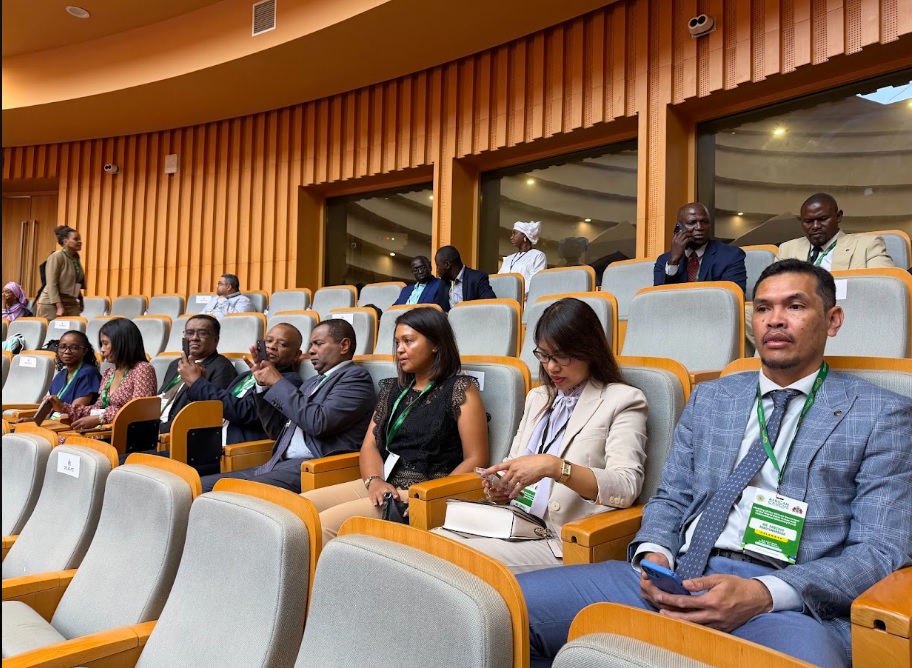
Members of the Malagasy delegation participated in the African Caucus 2026. Africa cannot fully harness its youth potential without a profound transformation of its education and training systems, according to African leaders and international partners' representatives. During meetings in Banjul, Gambia, as part of African Caucus 2026, African officials and World Bank representatives called for better alignment of taught skills with real labor market needs. Discussions highlighted the persistent gap between training offered and opportunities available in growing sectors. For Christian Bodewig, Director of Education and Skills at the World Bank, human capital remains an essential driver of growth, productivity, and economic transformation. This challenge is particularly critical as Africa will concentrate an increasing share of global youth by 2050. Speakers emphasized the need to strengthen foundational learning, including reading, numeracy, and socio-emotional skills. Without these basics, young people risk greater difficulty acquiring technical, professional, and digital competencies. Essential Gambian Minister of Higher Education Pierre Gomez advocated for training programs more focused on practical application. Coding, artificial intelligence, data science, cybersecurity, renewable energy, and sustainable agriculture should gradually be integrated into curricula. He also recommended developing internships, apprenticeships, and production units within educational institutions. From Rwanda, Finance Minister Yusuff Murangwa called for moving beyond a purely quantitative approach to schooling. According to him, education spending must produce measurable results in learning quality and job placement. Training must address immediate needs in agriculture, construction, health, digital technology, and other productive sectors. Mamadou Biteye, Executive Secretary of the African Capacity Building Foundation, emphasized worker retraining and upskilling in response to technological change. The session ultimately called on the World Bank and IMF to provide more concessional financing and flexible instruments. Fragile countries particularly need short-term training and digital platforms capable of quickly responding to market needs.
Source: Midi Madagasikara