Domestic
SADC: Madagascar's political transition at heart of regional talks
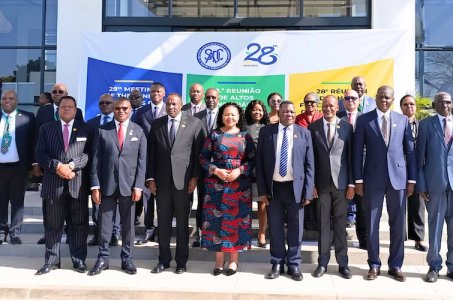
Madagascar's political situation remains a central concern for the Southern African Development Community (SADC). Meeting in Salima, Malawi, for the 28th ministerial meeting of the Organ on Politics, Defence and Security Cooperation, member states reaffirmed their commitment to supporting the island nation through its transition process while emphasizing respect for democratic principles. The two-day discussions focused on the region's main security and political challenges, with particular attention to countries facing periods of tension. Opening the proceedings, SADC Executive Secretary Elias Magosi stressed that Madagascar should continue receiving support from the regional organization in its path toward restoring constitutional order. He indicated that progress made by Malagasy authorities would receive constant attention from member states. According to him, peace and stability in Southern Africa can only be preserved through sustainable cooperation, permanent vigilance, and strengthened solidarity among regional countries. The SADC official also recalled that the organization recently deployed a fact-finding mission to Madagascar following the political change that brought the Refondation to power. This initiative, he explained, reflects the collective will of member countries to promote democratic governance, preserve institutional stability, and prevent any deterioration of the political situation in the region. Beyond the displayed support, Magosi delivered a message resembling a recommendation to Malagasy authorities. He argued that lasting peace could not be consolidated without inclusive governance, respect for human rights, and accountability of institutions coupled with effective participation of all citizens. Otherwise, he warned, political fragilities risked fueling new tensions. These statements continue the conclusions adopted at the SADC Extraordinary Summit of Heads of State and Government held on June 29. On that occasion, the organization had invited the Malagasy government to pursue ongoing reforms according to a clear, transparent schedule open to all stakeholders. Regional leaders had also stressed the need to organize inclusive national dialogue and promote genuine reconciliation among the country's different political sensibilities. These recommendations, however, did not leave Malagasy authorities unmoved. Refondation President Colonel Michaël Randrianirina quickly responded, affirming that his government's inclusivity concerns all components of Malagasy society, including the opposition. He nevertheless clarified that national consultations would remain exclusively reserved for Malagasy citizens, effectively excluding personalities the government considers no longer holding Malagasy nationality, referring to former president Andry Rajoelina. Present in Salima, Foreign Affairs Minister Alice N'Diaye presented Madagascar's official position before SADC representatives. According to a ministry statement, she reaffirmed that the transition process rests on Malagasy leadership, participation of all society components in national consultations, and national ownership of reforms. For the authorities, this approach constitutes the best guarantee for building a democratic governance framework, strengthening institutions, and preventing the return of political crises that have marked the country's recent history.
Source: Madagascar Tribune