Domestic
Illicit Assets Recovery Agency: 40 Seized Vehicles Allocated to Public Entities
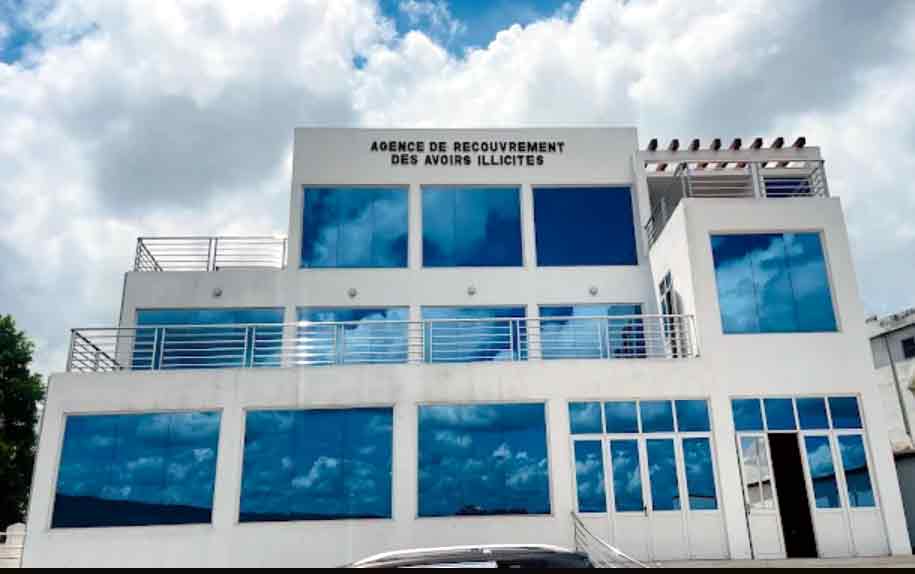
The ARAI office at Ambohijanaka. Rather than allowing dozens of seized assets to deteriorate in parking lots for years, the State has chosen to temporarily place them at the service of the public interest while maintaining strict legal and administrative control, according to ARAI. Figures released by the Illicit Assets Recovery Agency (ARAI) demonstrate the scale of proceedings underway. To date, 2,200 bank accounts are frozen, 161 properties have been seized, and nearly 125 billion ariary in funds are subject to freezing measures. This considerable patrimony is now under judicial control, pending final court decisions. This asset recovery policy no longer merely immobilizes assets suspected of deriving from illicit activities. Since this year, 40 seized vehicles have already been allocated to various public entities, a measure made possible by the decree of March 30, 2026. Most of these vehicles belong to the Sodiat group, whose owner, Mamy Ravatomanga, is currently facing legal proceedings in Madagascar and Mauritius. These seized vehicles had already been announced by Serge Imbeh, current judicial administrator of the group, during his television appearance on June 21. The objective, according to ARAI, is to prevent seized assets from remaining unused and deteriorating for sometimes several years while judicial procedures reach completion. ARAI Director General Rado Rajhonson is keen to clarify any ambiguity. "This is a temporary allocation," he emphasizes. Beneficiary administrations do not become owners of the vehicles. These remain legally seized assets and remain integrated in the recovery proceedings initiated by the State. The March 30, 2026 decree establishes a particularly rigorous framework, ARAI maintains. Only public entities can benefit from this temporary allocation. Territorial collectivities, ministries, public establishments, or other State organizations are thus the only potential recipients of these vehicles, according to the ARAI director general. To avoid confusion with assets acquired by private individuals, the vehicles in question must receive red registration plates, identical to those used for administrative vehicles. They remain, however, subject to permanent control by the Illicit Assets Recovery Agency. ARAI thus conducts periodic inspections to verify the effective use of assets made available, the director general continues. Any "abusive" use or use "for personal purposes or any other form of misappropriation" exposes not only the user but also the beneficiary entity to administrative and judicial sanctions, Rado Rajhonson announced. While awaiting the conclusion of judicial procedures, seized assets are stored in highly secure sites, particularly military camps. For Antananarivo, vehicles and other assets are stored at the Ivato parachutists camp. In Toamasina, the Barikadimy military camp houses assets placed under sequester. According to ARAI, these military facilities serve as conservation centers to guarantee the security of seized patrimony and prevent deterioration, disappearance, or fraudulent recovery attempts. Beyond conservatory measures, certain procedures have now reached completion before the courts. According to ARAI, 445 million ariary have already been definitively confiscated following irrevocable court decisions. Unlike merely frozen funds, these sums now belong definitively to the State. Their actual transfer to the public treasury requires one final administrative step. According to the ARAI director general, the agency is still awaiting the creation of a special Treasury account opened in ARAI's name, which will enable the transfer of definitively recovered assets to public coffers in compliance with public accounting rules.
Source: Midi Madagasikara