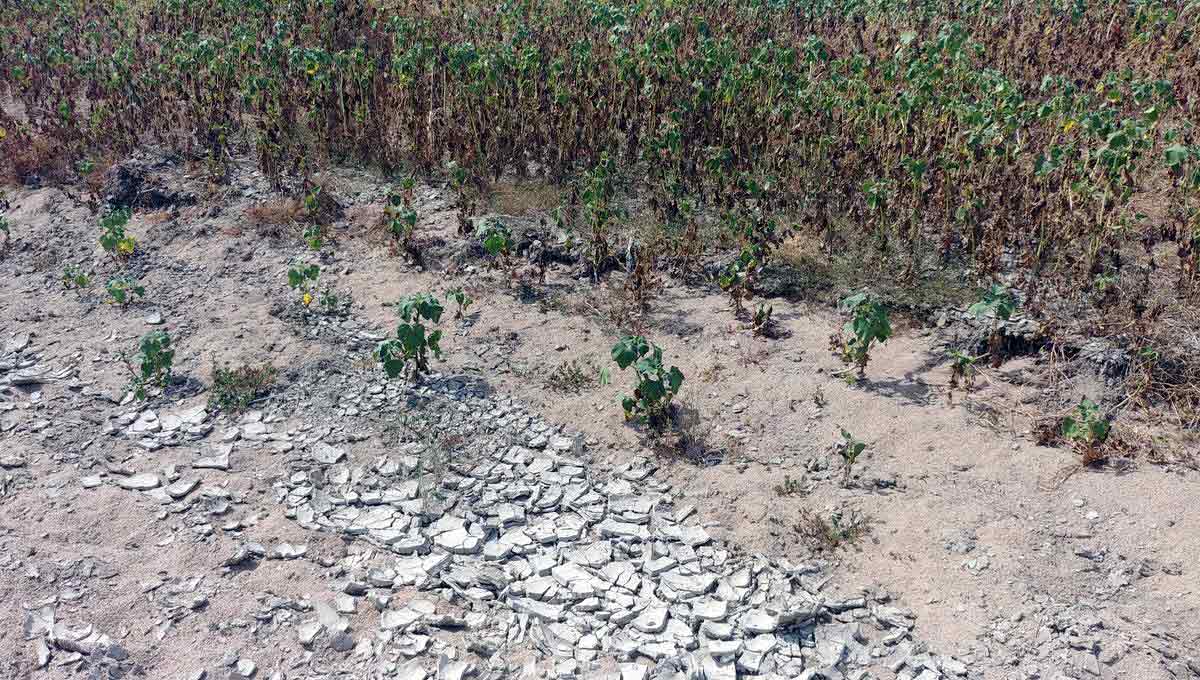
Persistent drought is having severe impacts on living conditions in southern Madagascar. The districts of Ambovombe and Amboasary Atsimo, particularly exposed to chronic food insecurity and malnutrition, are the main intervention zones for the ECHO HIP26 project (Humanitarian Implementation Plan 2026, financed by the European Commission's Directorate-General for European Civil Protection and Humanitarian Aid Operations, or DG ECHO). This project provides support for strengthening nutrition and health services, improving food security, and includes water-hygiene-sanitation (WASH) interventions, as well as support for developing community protection mechanisms and establishing a rapid response system to climate crises. In a concerning context regarding nutrition and community health in southern Madagascar, the ECHO HIP26 project, officially launched yesterday, intervenes in this region, particularly in the districts of Ambovombe and Amboasary Atsimo. This 16-month project (April 2026 to August 2027) aims to improve access to health, nutrition, and protection for vulnerable children and families. Over 20,000 people will be direct beneficiaries of this project, with funding of 970,000 euros. Implementation will be carried out in collaboration with the Ministry of Public Health and the National Nutrition Office (ONN), with the involvement of two local NGOs, Miarintsoa and ALT. Through this framework, the project will directly contribute to national priorities in reducing child malnutrition, improving access to integrated maternal and child health services, and strengthening population resilience to climate emergencies.
Saving Lives
Save the Children, a major actor in this project, emphasizes its crucial nature given the concerning climate and economic realities in the intervention districts. Indeed, persistent drought and its recurring effects weaken living conditions and limit access to basic social services. Activities carried out under the ECHO HIP26 project will thus help reduce morbidity and mortality linked to malnutrition and childhood diseases through an integrated and multisectoral approach. "Every child has the right to grow up healthy, to be protected, and to benefit from the essential services needed to survive and thrive," says Tatiana Dasy, Save the Children Country Representative in Madagascar, at the launch of the ECHO HIP26 project. She adds that the combined effects of climate crises, food insecurity, and malnutrition in the Grand South continue to threaten these fundamental rights. "Thanks to European Union support and close collaboration with health authorities and our partners, the ECHO HIP26 project will help strengthen community resilience and save lives," she concludes.
The First 1,000 Days
Beyond support for improving food security, WASH interventions, and developing community protection mechanisms, this project also provides support for six stabilization centers, including four health facilities, as well as the establishment of a stock of over 540 cartons of ready-to-use therapeutic food (RUTF Plumpy Nut) and training for 388 managers, health workers, community agents, and nutrition actors. The project's approach is centered on the first 1,000 days of life, a critical period for child development. Note that HIP26 is a multi-country project involving two other countries besides Madagascar: Malawi and Zimbabwe.
Recall that Save the Children, present in Madagascar since 2016, conducts various activities in nutrition, education, and protection sectors, responding to various humanitarian crises, including those related to drought and tropical cyclones. In 2025, Save the Children's programs had positive impacts on 37,464 people, including over 12,000 children in Madagascar.
Society
Child Malnutrition and Community Health: Over 20,000 Beneficiaries of ECHO HIP26 Project
Source: Midi Madagasikara