Society
Mpox in Africa: Clinical Trial Launched in Madagascar
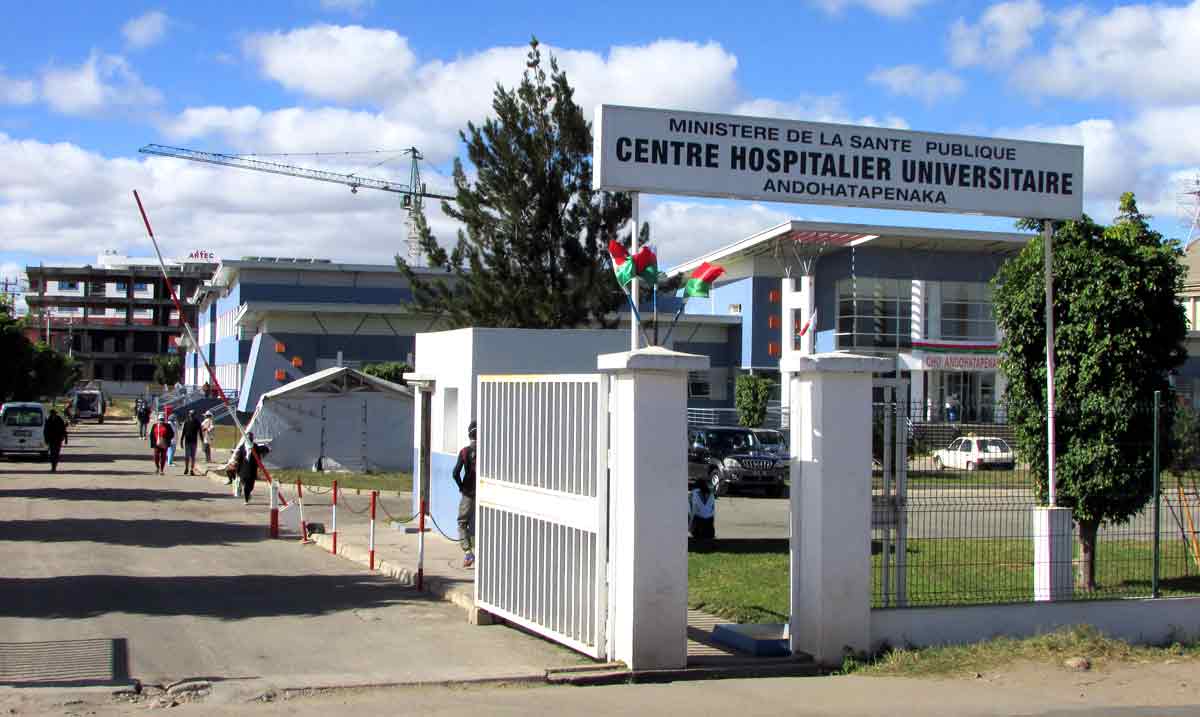
The clinical site has been established at CHU Andohatapenaka. Facing the monkeypox (Mpox) epidemic, Madagascar is asserting its scientific leadership by becoming a key player in the pan-African MOSA clinical trial, aimed at evaluating the effectiveness of innovative treatments. Madagascar is taking a historic step in combating continental health emergencies. Following the declaration of the Mpox epidemic on its territory, the country mobilized in record time to co-lead the MOSA trial (MpOx Study in Africa). This first adaptive platform clinical trial for pan-African investigation, double-blind against placebo, is supervised by the Africa CDC and developed by the NGO PANTHER, according to a statement from the Institut Pasteur de Madagascar (IPM). It stands as a major scientific response designed by and for Africa. After preparatory discussions in February 2026 between the NGO PANTHER and the IPM, implementation accelerated. On April 23 and 24, 2026, the clinical site was successfully established at the University Hospital Center (CHU) of Andohatapenaka in Antananarivo. A symbol of this national responsiveness, the first Malagasy patient was enrolled on May 22, 2026, joining the momentum initiated in the Democratic Republic of Congo. Currently, the trial is evaluating the safety and efficacy of brincidofovir (marketed as TEMBEXA® for other indications), an antiviral provided by Emergent BioSolutions. Ultimately, the protocol's flexibility will allow the addition of other promising molecules from African scientific research, the IPM reports. Funded notably by the European Union's Horizon Europe program and supported by the Africa CDC, this project values local excellence. Led jointly by researchers from the IPM (virology, epidemiology, and clinical research units) and clinicians from CHU Andohatapenaka, this commitment reaffirms Madagascar's scientific sovereignty. By positioning itself on the front line, the country is not merely addressing its own health situation: it is producing crucial clinical data that will guide treatment and protect at-risk populations across the entire continent.
Source: Midi Madagasikara