Domestic
Fuel: OMH caps jerrycan purchases at 100 liters per day
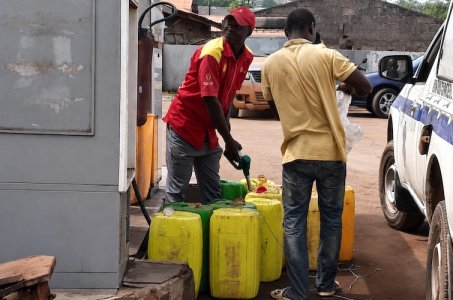
The Malagasy Office of Hydrocarbons (OMH) is modifying rules governing fuel sales in portable containers. Through a circular note dated July 9, the agency now sets a maximum of 100 liters per day per buyer for premium gasoline (SP95) and diesel that can be purchased in jerrycans, drums, or any other mobile container. This provision applies across the entire national territory and concerns all customers without distinction. The authorized volume is calculated across all products combined, and no exemptions will be granted regardless of the buyer's status or documents presented. Through this measure, the OMH aims to end a practice deemed harmful to the proper functioning of the petroleum market. The agency explains that several companies with significant fuel needs choose to supply themselves directly from service stations rather than being delivered by distribution companies. However, prices displayed at the pump benefit from a state support mechanism, while professionals are normally expected to purchase fuel at the real market price. This pricing difference creates an additional burden on public finances, as the gap between the price paid at the station and the reference price calculated monthly must be compensated. According to the OMH, certain operators favor service stations to reduce their operating costs. This supply method diverts the circuit intended for large consumers and undermines the objective of subsidies, primarily designed to maintain accessible prices for ordinary users. By limiting purchases in mobile containers, the Office seeks to redirect companies toward the distribution network intended for them and preserve more balanced sector operations. The circular note also introduces another important change. Presenting a statistical card, business license, commercial register, or any other justification will no longer allow exceeding the set ceiling. Service station managers and pump attendants are now legally required to refuse any sale that would bring the total volume beyond 100 liters in mobile containers for the same customer during one day. The OMH announces in parallel the strengthening of controls across the national network. Operators who fail to comply with this regulation, as well as the distribution companies involved, will face administrative and financial sanctions that could range up to temporary suspension or even permanent withdrawal of their operating certificate. The implementation of these new rules comes as concerns multiply around the recent closure of the Strait of Hormuz, a strategic axis for global hydrocarbon transport. Such a situation fuels questions about the consequences a slowdown in maritime traffic could have on Madagascar. The OMH remains reassuring, however. The agency states that no supply difficulties have been observed at this stage. A first tanker left its loading port on July 7 and a second is expected before the end of the month. Authorities thus assure that deliveries continue normally and that available stocks will meet demand while implementing this new system designed to better regulate fuel sales in the country.
Source: Madagascar Tribune