Domestic
RN4: Sprinter Collision Kills Two
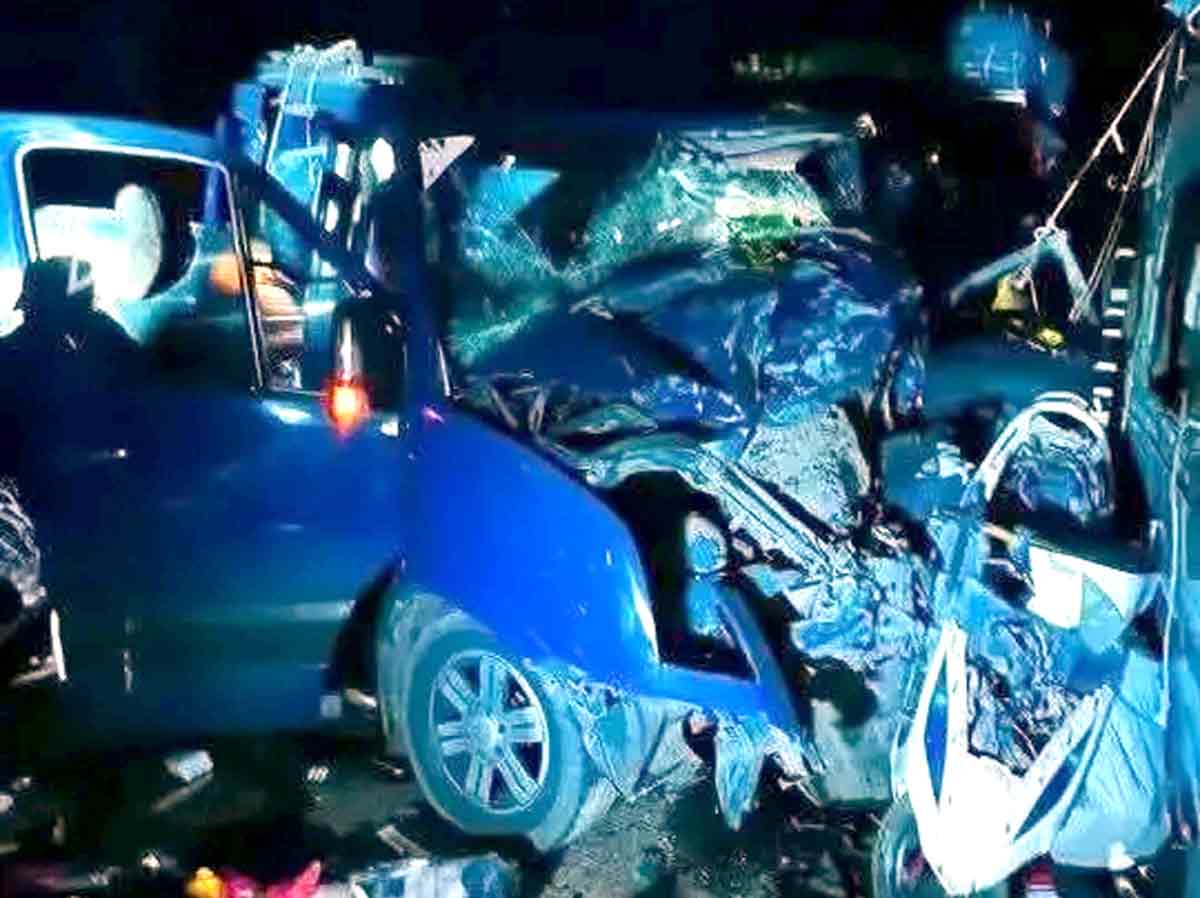
Both were minibuses operating under the same cooperative. One was heading to the capital after leaving Mahajanga while the other was returning from there. The two vehicles had been on the road for six hours before departing from the capital at five in the evening. This meant families were already beginning to worry about their loved ones. However, observers noted that the vehicles involved in the collision on the road were traveling at excessive speeds. The minibuses collided near Begisa. The crash was catastrophic, resulting in the deaths of two women. Beyond that, nearly fifteen people had to be rushed to Maevatanàna hospital for emergency treatment to save their lives. The cargo was completely destroyed. For those heading to Mahajanga, there was an emergency vehicle that transported the injured following the accident. For those heading back to the capital, some government officials, such as those with passports, were among those rescued. Another cooperative's vehicle that passed by decided to stop, dropped off its passengers, and quickly transported the injured for emergency care. Regarding the Sprinter vehicle specifically, many observers noted that it had become dangerously overloaded due to the presence of an overloading operator. It had even reached the point of participating in illegal transport competitions, though it was not officially registered for such purposes. In reality, it was not supposed to carry passengers abroad but rather cargo. Upon arrival here, the vehicle was inspected and fitted with small windows and seats. Moreover, the engine was also overworked and severely strained. However, the brakes and steering did not match this condition. This made it frequently unstable, not to mention it was essentially a moving death trap.
Source: Midi Madagasikara