Domestic
Oil Reform: Petroleum Group Demands Seat at Future Discussions
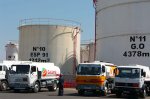
The Petroleum Group of Madagascar (GPM) has broken its silence following the National Assembly's adoption of law no. 021/2026 regulating the downstream petroleum sector. In a statement released on July 7, the organization acknowledged this new legislative framework while expressing regret at not being consulted during the various stages of preparation and examination of the text. For sector operators, a reform of such scope would have required in-depth discussions with the main stakeholders involved. The GPM recalls that petroleum products occupy an essential place in the country's functioning. Whether it concerns the transport of people and goods, economic activities, or public services, fuel remains a determining element for the continuity of numerous activities. The organization thus believes that any evolution of the regulatory framework must take into account imperatives related to energy security and the stability of national supply. As implementing decrees remain to be drafted, the group is requesting to be involved in the next stages of the reform. It wishes to work with the competent authorities and the regulatory body to bring its technical expertise to the drafting of texts that will clarify the implementation procedures of the new law. According to the GPM, this collaboration would make it possible to anticipate potential difficulties and establish a system guaranteeing both market efficiency and investment sustainability. Professionals also highlight the sector's track record since its liberalization a quarter century ago. In their view, the legal framework in force until now has fostered competition between operators, encouraged private investment, and supported the modernization of facilities. They believe this evolution has improved the quality of distributed fuels while strengthening supply chain reliability across the entire territory. Despite the reservations expressed, the GPM affirms it is not taking an oppositional stance. The organization assures it wishes to participate constructively in implementing the reform, with the objective of preserving sector attractiveness and maintaining a climate of confidence among investors. In parallel, the government has reactivated the automatic fuel price adjustment mechanism, suspended since April 2026. Prices for SP95, diesel, and kerosene will now be revised monthly, with a variation capped at 200 ariary per liter, to limit the impact of international price fluctuations on consumers.
Source: Madagascar Tribune