Domestic
BEPC: Glitches multiply as authorities remain silent
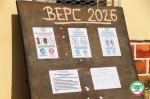
Bans on bringing backpacks, pencil cases, or even water bottles to exam centers in Ambohidratrimo are forcing candidates to spend nearly two hours without being able to drink. In Atsimondrano, cybercafés and shops near exam sites have been ordered to close during all test periods, a measure set to be repeated for the baccalaureate. Since the start of the BEPC session, local initiatives have multiplied, raising doubts among parents, while the Ministry of National Education has provided no public explanation. On the ground, rules differ by location. In Ambohidratrimo, students were not allowed to enter with their personal belongings, yet many traveled from far away without accompanying adults, leaving them in a difficult position as they don't know where to put bags containing their meals. This directive, which surprised many families, fuels questions about the conditions under which candidates take their exams, especially since no official communication has clarified whether this practice stems from a national directive or a decision specific to the center. "We don't understand these measures at all, particularly these bans," parents say in unison. Their concerns are justified, as some students are ill due to the current temperature drop and stress; they need water or to take their medications. In Alakamisy Fenoarivo, another measure has drawn attention. Officials decided to suspend cybercafé operations nearby throughout the exam period to limit risks of internet use that could facilitate illicit exchanges or fraud attempts. This decision follows an order issued by the Atsimondrano district administrator. The text prohibits cybercafé openings and commercial activities near centers hosting BEPC and baccalaureate exams. Its implementation mobilizes local authorities, education officials, law enforcement, and local security structures. These measures, presented as fraud prevention, nonetheless raise several questions. Do they reflect a nationally defined strategy or initiatives left to local authorities' discretion? Why are certain restrictions applied in only some centers while other establishments are exempt? Without an official ministry position, questions continue to mount. Parents, merchants, and local actors struggle to understand the basis for these decisions, which vary by location. With over 327,000 candidates participating in this 2026 session, many now hope for swift clarification to ensure coherent organization and uniform rules across the territory.
Source: Madagascar Tribune