The African Caucus 2026 is taking place this week in Banjul, capital of Gambia. This high-level meeting brings together African governors at the International Monetary Fund (IMF) and World Bank. Economy and Finance ministers, along with central bank governors from across the continent, are coordinating this week on Africa's shared economic priorities. The goal is to develop common positions to be presented in the "Annual African Memorandum," a strategic document presented at the IMF and World Bank annual assemblies.
Madagascar is participating in this important meeting through Dr Herinjatovo Aimé Ramiarison, Minister of Economy and Finance, in his capacity as Madagascar's World Bank governor. He is accompanied by Aivo Andrianainarivelo, governor of the Central Bank of Madagascar. This presence reflects the country's commitment to contributing to discussions on financing, economic recovery, productive transformation, and inclusive development, while advancing its national priorities with financial and development partners.
This year's theme emphasizes investment, innovation, and shared development as drivers for building stronger, more resilient African economies better prepared for global changes. Discussions occur amid growing financing needs, persistent climate change effects, demographic pressure, and challenges in youth employment and digital transformation.
Gambia's Finance Minister stressed the need for greater investment in innovation to address the continent's structural challenges, particularly highlighting regional infrastructure in growth sectors, digital technology, transport, ports, and railways. These investments are essential for Africa to fully benefit from the African Continental Free Trade Area by facilitating transition from national to continental markets.
First-day exchanges also emphasized changing perceptions of the continent. Africa should no longer be viewed solely as a risk zone but as an opportunity space, driven by natural resources, agricultural potential, demographic dynamism, and innovation capacity, according to Selma Malika Haddadi, Deputy Chairperson of the African Union Commission. Several speakers advocated for reducing risk perception through appropriate mechanisms, including an African strategic rating agency.
The World Bank's Regional Vice President for Southern and Central Africa, Ousmane Diagana, highlighted three essential pillars: innovation, inclusion, and employment. These priorities align with African countries' concerns regarding training, health, education, and skills preparation for future jobs. Support for micro, small, and medium enterprises was also discussed as central leverage for job creation and strengthening regional value chains.
Dr Sidi Ould Tah called for Africa to speak with one voice, advocating for greater IMF financing flexibility for the continent, better allocation of special drawing rights to development projects, and more strategic partnership between the African Development Bank and World Bank. For participants, the challenge now extends beyond traditional aid: building partnerships to support agribusiness, energy, industrialization, and innovation to create a more prosperous and sovereign Africa.
Economy
African Caucus 2026: Africa Seeks Greater Influence with IMF and World Bank
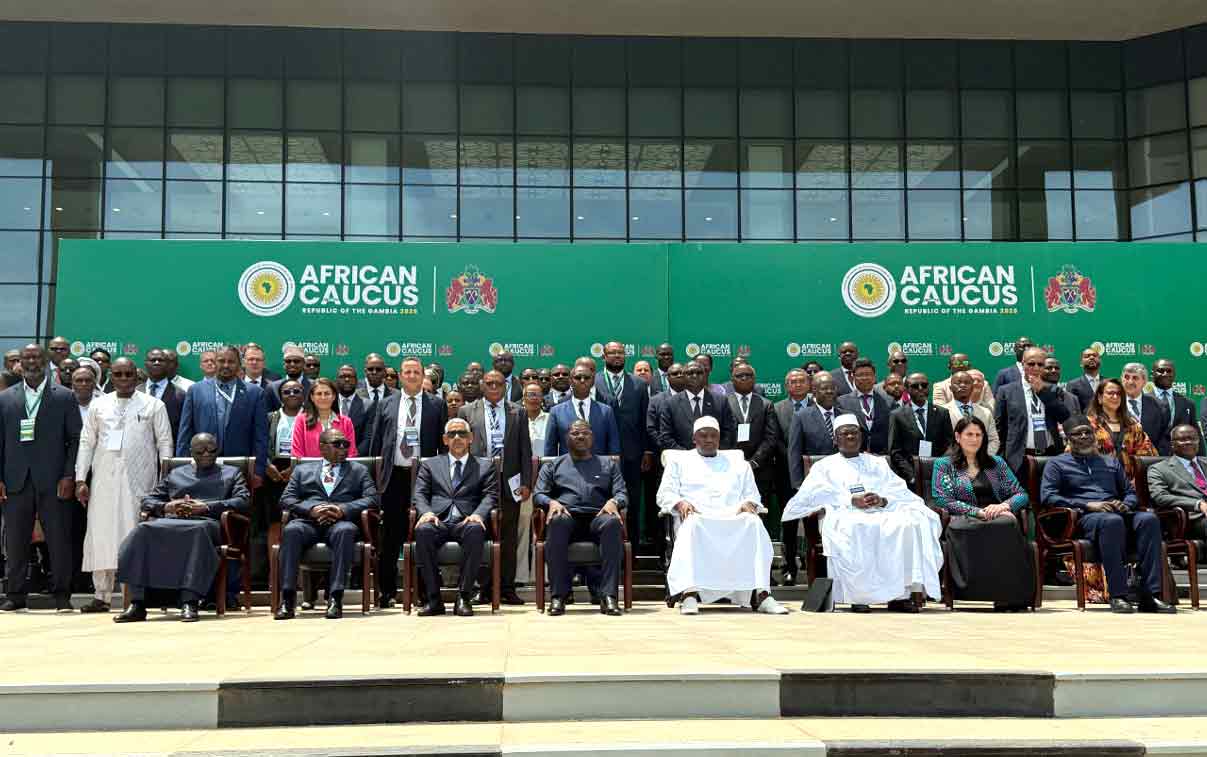
Source: Midi Madagasikara