Society
Free Zones: 200,000 Jobs at Risk
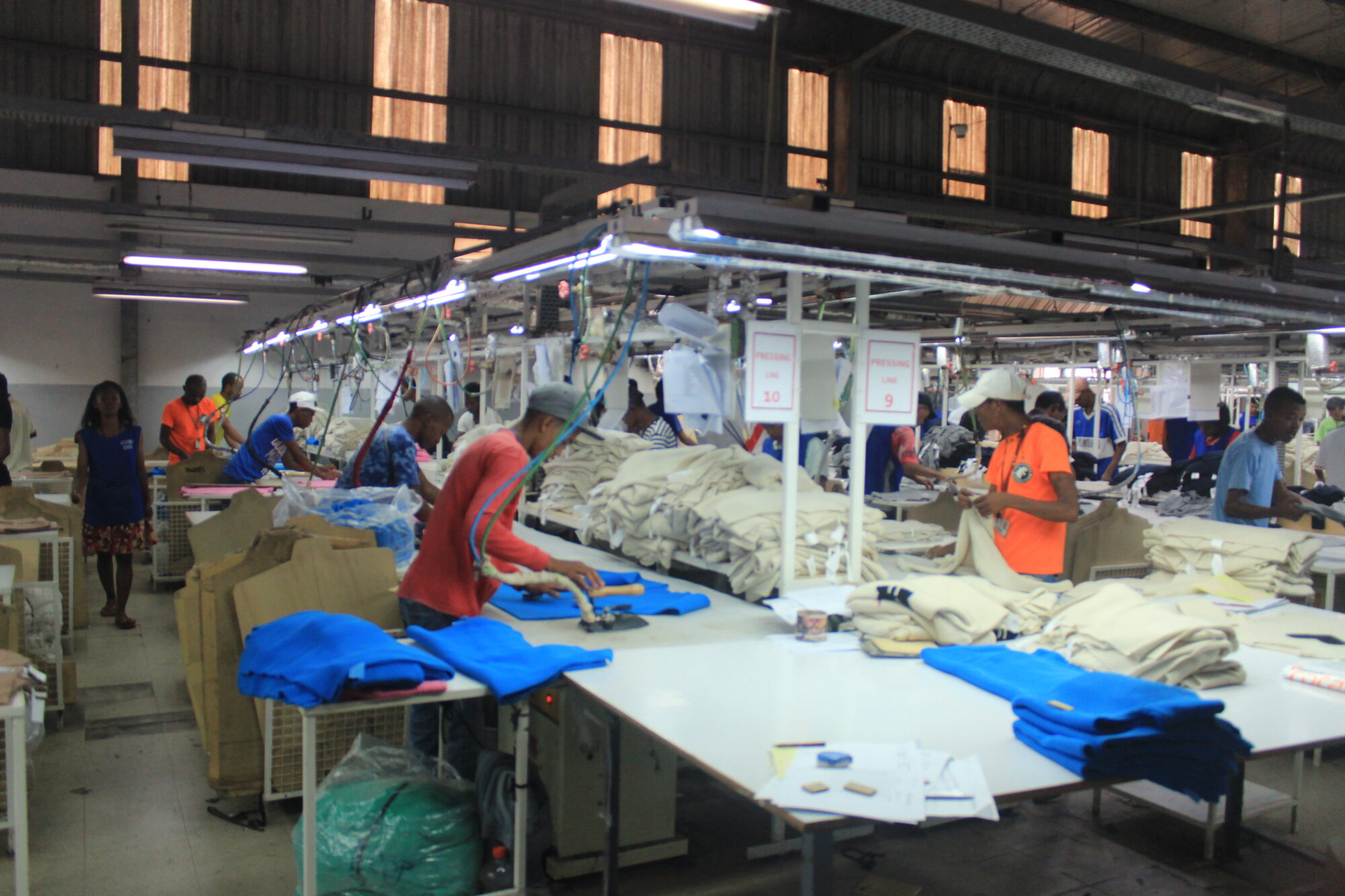
The Groupement des Entreprises Franches et Partenaires (GEFP) has issued a statement warning of a threat to Madagascar's economic fabric and job market. More than 200,000 workers are directly affected, according to the GEFP's official communiqué. The announcement comes at an already fragile time, with the official unemployment rate hovering around 3%. Notably, free zones represent an essential pillar of formal employment in the country. In its statement, the GEFP laments—and explains the threat—a progressive deterioration of its economic environment. "The Free Zone regime [...] is weakened year after year," the communiqué states. This deterioration is caused by "the introduction of new tax charges since 2023, as well as delays in VAT refunds that undermine company cash flow." Far from limiting itself to figures, the communiqué emphasizes the human impact of this threat to Madagascar's job market. "Behind the numbers, there are lives," the group notes. Indeed, wages from free zones enable thousands of families to meet essential needs such as food, housing, and education. Domino Effect The impact extends far beyond factory walls. Entire ecosystems gravitate around free zones—street food vendors, transporters, suppliers, and small businesses. With each slowdown in activity, dozens of informal businesses falter. A taxi-be driver transports fewer workers, a food vendor sells fewer meals, a landlord struggles to rent rooms. Thus, the announced crisis threatens not only jobs, but an entire already fragile social fabric. In a country where opportunities are scarce, even the slightest shock to formal employment can quickly become a major social crisis.
Source: Midi Madagasikara