Government – Parliament: Economic priorities of the Refoundation highlighted. Without truly ranking among continental leaders, Madagascar is gradually establishing itself as one of Africa's most dynamic emerging markets for mobile money transfers. The island nation is indeed ranked among the 15 African countries leading in mobile money usage. Based on the latest Global System for Mobile Communications (GSMA) report, combined with World Bank data (Global Findex), central banks, and regional studies, this indicative ranking (no official ranking exists yet) demonstrates that the country continues its growth in Africa, positioning itself among the continent's most promising markets.
Encouraging Performance
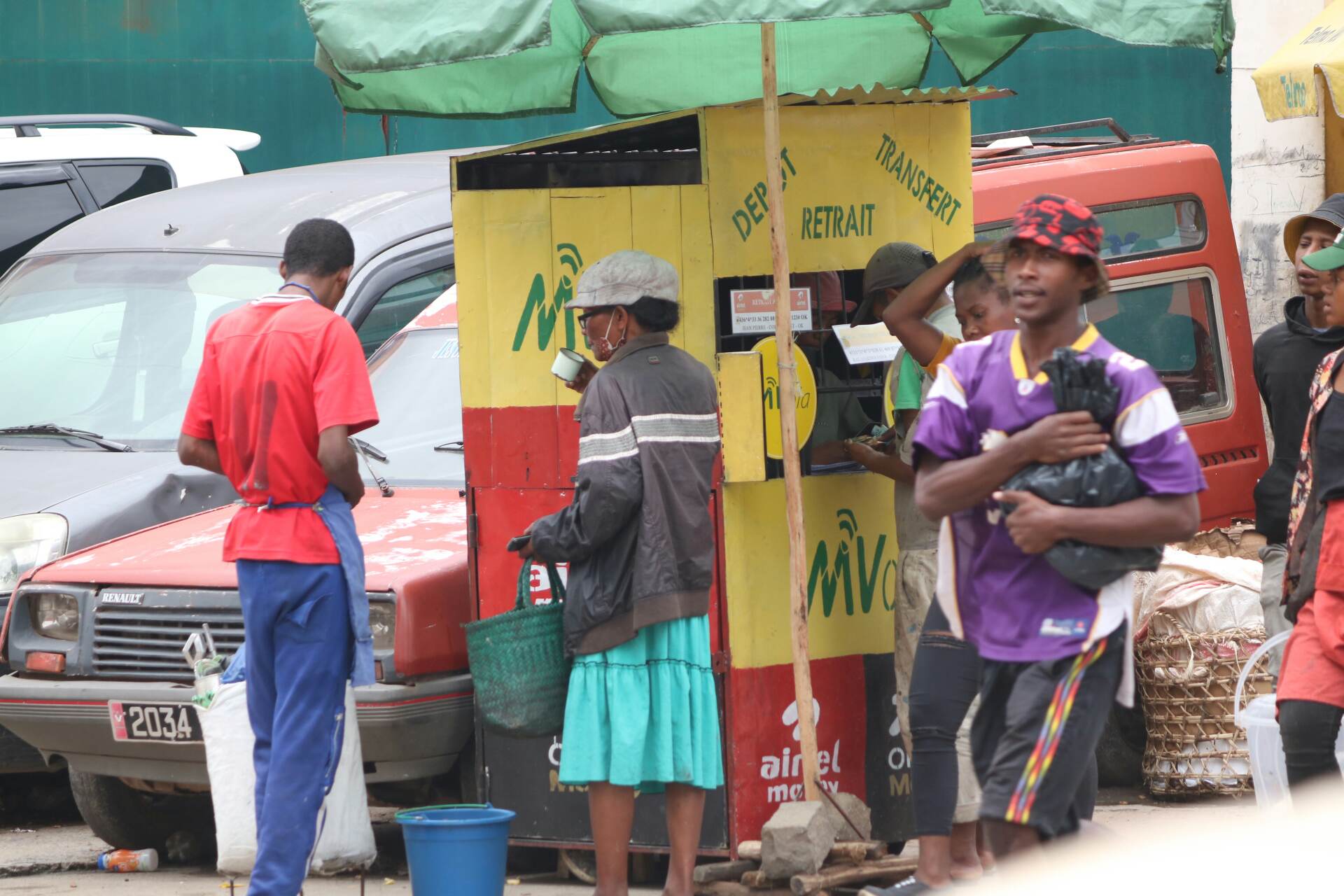
Madagascar remains, however, behind the most performing African countries such as Kenya, Ghana, Uganda, Tanzania, Rwanda, Côte d'Ivoire, Senegal, Zimbabwe, Malawi, and Mozambique. The country is, however, ahead of other emerging African nations like Benin, Togo, Burkina Faso, and Nigeria. The country's encouraging performance is notably driven by services offered by MVola, Orange Money, and Airtel Money. The island displays continuous growth in money transfers, bill payments, merchant purchases, and peer-to-peer transfers. Based on available indicators, Madagascar can be positioned around 13th to 16th place in Africa for mobile money development, even though no official country ranking is published by GSMA.
Gateway to Services
The socioeconomic effects of the mobile money sector are visible in both urban and rural areas. In rural zones, where bank branches are scarce, the mobile phone becomes a genuine gateway to financial services. Households can receive money instantly, settle current expenses, save, or more easily handle emergencies, strengthening their economic resilience. Small and medium enterprises also benefit from this transformation. Digital payments reduce cash-handling risks, accelerate commercial exchanges, and facilitate daily management of economic activities. Merchants now have access to faster, more secure payment methods better suited to new consumer habits. Experts also emphasize that mobile money is a powerful factor for social inclusion. Women, young entrepreneurs, and rural populations, long excluded from the traditional banking system, now access financial services more easily. This evolution helps reduce inequalities and promotes the development of a more inclusive economy.
Significant Potential
For Madagascar, prospects remain particularly favorable. With still-limited banking penetration but strong mobile phone penetration, the country has significant potential to accelerate its economic digitalization. Specialists estimate that mobile money will play an increasingly important role in trade development, social aid distribution, public revenue collection, and financial inclusion of the most vulnerable populations. As digital services become widespread, mobile money no longer represents merely a money transfer means. It becomes a genuine engine of economic transformation, capable of stimulating growth, creating jobs, and bringing financial services closer to millions of Africans still excluded from the traditional banking system.
Economy
Financial Inclusion: Madagascar Ranks in Africa's Top 15 for Mobile Money
Source: Midi Madagasikara