Society
Peace Consolidation: Positive Results for PBF Fund
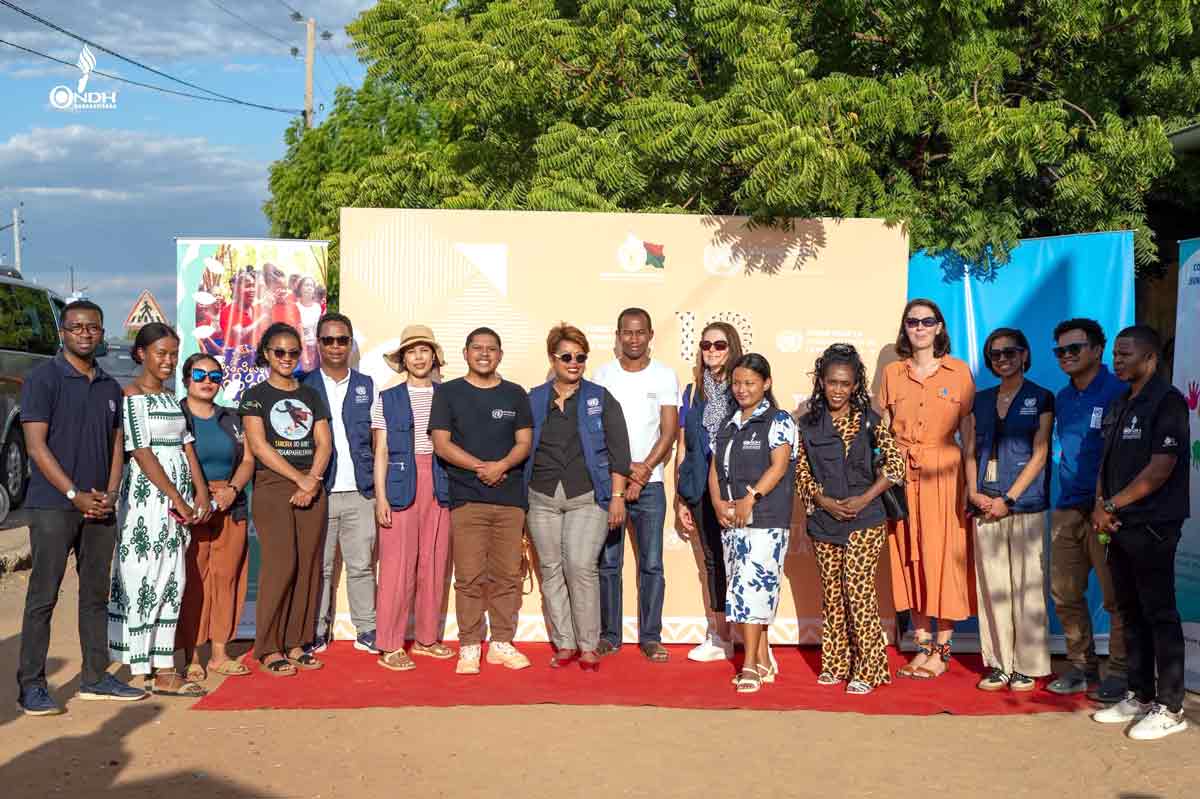
The United Nations Peacebuilding Fund (PBF) shows Madagascar making progress on stability. Through youth training, community rules, and women's involvement, peace is being built daily. In Betroka, in southern Madagascar, areas once plagued by insecurity are gradually returning to calm. This change reflects a dynamic initiated a decade ago by the PBF. In total, 24 programs have been deployed with funding of 52 million dollars. Among flagship initiatives is the training of 4,100 young leaders at universities in Antananarivo, Toamasina, and Toliara. According to available data, 89% of students believe conflicts have decreased thanks to dialogue spaces created. These results reflect a commitment to using youth as a lever for social transformation. Trained in mediation and public speaking, some young people engage in their communities to prevent tensions. Yet this momentum faces difficult economic realities that question the sustainability of their commitment. Peace consolidation also relies on mechanisms rooted in local practices. The dina, these traditional community rules, play a central role in conflict regulation. In several regions, they are "more legitimate and more effective than state mechanisms," enabling swift resolution accepted by populations. Women also occupy an essential place in these processes. Often at the forefront of mediation or community engagement, they actively contribute to maintaining social dialogue, despite their role remaining largely invisible and limited by social and cultural constraints. Ten years later, peace in Madagascar stems neither from a single model nor an imposed solution. It is built at the intersection of international action, local initiatives, and citizen engagement. A real but still fragile dynamic that raises a central question: sustainability.
Source: Midi Madagasikara