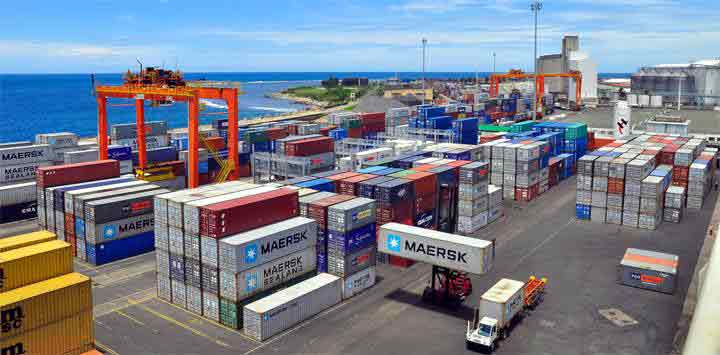
Malagasy exports face potential disruption due to political instability. Despite current authorities' announcements of cooperation with SADC to establish a crisis resolution acceptable to all parties, the risk of disagreement between the regional organization and the refoundation regime remains real. Observers warn that such a disagreement could have damaging short and medium-term impacts on the island nation.
Even if the difference in interpretation between SADC and the authorities could have major economic dimensions, a poor SADC assessment of the current political situation could impact Madagascar's relations with development partners. These include the European Union, multilateral development banks, bilateral cooperation agencies, and private investors, who increasingly prioritize governance criteria.
Decisions by technical and financial partners are driven not only by technical factors but also by structural and political considerations, such as a stable environment, credible institutions, and sufficient visibility on future directions. According to SADC recommendations, these criteria appear unmet by the refoundation regime, risking negative international perception.
A negative rating could further impact private international economic partners' perception. This carries harmful consequences for Madagascar's economy, which depends on exports. Companies operating in textiles, vanilla, mining, processed agricultural products, and essential oils operate in markets particularly sensitive to risk. Deterioration of the country's institutional image could indirectly result in greater caution from buyers, commercial banks, credit insurance companies, and investors financing new projects. These economic risks warrant serious attention.