Society
Preschool Education: Madagascar Launches National Strategy
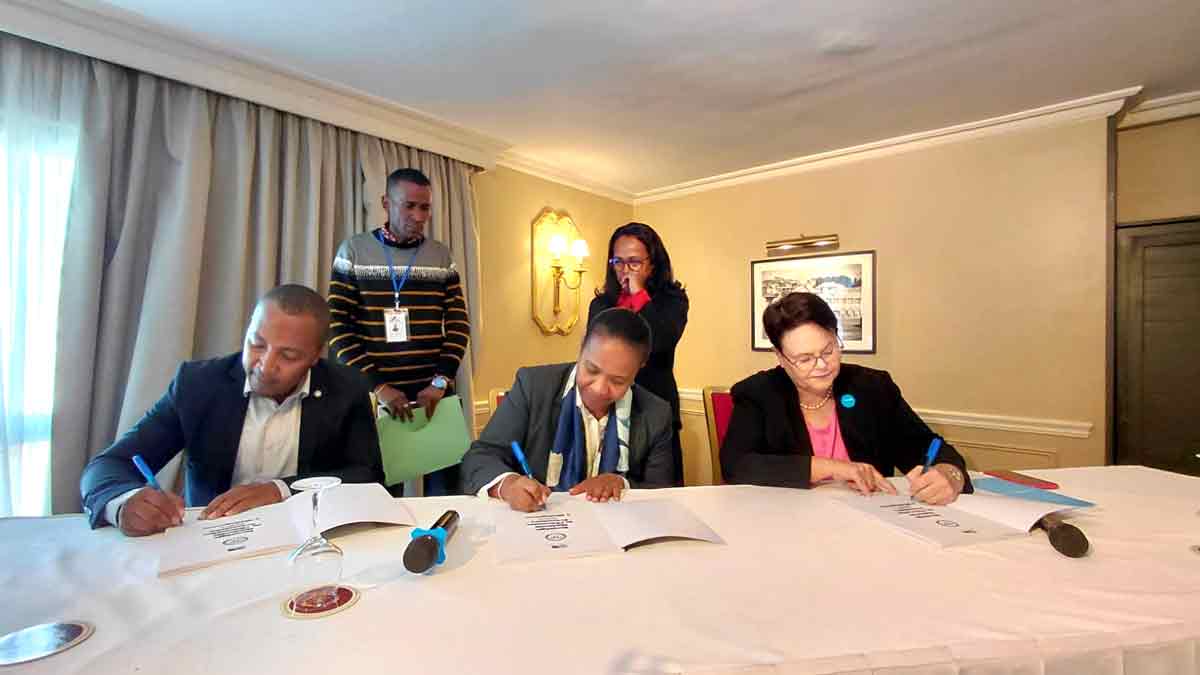
At the official launch in Antananarivo of the National Preschool Education Strategy (SNEP), Madagascar takes a decisive step for the future of its youth. Led by the Ministry of National Education with support from the World Bank and UNICEF, this nationwide program aims to fundamentally transform early childhood education across the island within five years. The challenge is significant for Madagascar, where current indicators reveal an urgent social crisis. The preschool enrollment rate stagnates at 29.4% nationally and drops to 26.1% in rural areas. This situation is worsened by structural poverty affecting 86% of newborns and a chronic malnutrition rate impacting one in two children under five. To address this, the SNEP targets 2.7 million children aged 3 to 5, with absolute priority given to the most vulnerable. This comprehensive policy relies on major strategic levers, starting with expanding access to infrastructure and improving service quality through educator professionalization. Authorities also aim to optimize financial governance, deploy an effective data management system, and foster strong community and parental mobilization. On the ground, this plan will involve classroom construction, distribution of educational kits, and awareness campaigns. The solemn signing of the SNEP charter by key stakeholders marks a collective commitment to Madagascar's human capital.
Source: Midi Madagasikara