Domestic
End of Session: Major Reforms Remain Pending
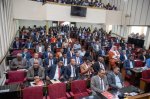
The first ordinary session of 2026 of the National Assembly will officially close this Friday, July 3 at Tsimbazaza, after the sixty days provided for by the Constitution. While deputies will take stock of the texts adopted and activities carried out since May, this closure will also leave a sense of a missed opportunity. Several reforms presented as strategic for the modernization of the State will never have passed the stage of parliamentary debate, despite repeated commitments by authorities in favor of renewed governance. The program for the final days of the session nonetheless testifies to sustained legislative activity. Deputies are examining in particular two bills relating to the real estate assets of the State and the transfer of land registered in the names of foreigners during the colonial period, as well as an organic bill on the Economic, Social and Cultural Council. On the other hand, two particularly awaited texts are completely absent from this agenda. The bill on access to public information, filed with the National Assembly on May 28, was never entered into debates. Presented as a lever intended to strengthen administrative transparency and citizens' right to access public documents, it thus disappears from the legislative calendar without any official justification having been provided. This postponement fuels questions about the real willingness to establish greater openness in the management of public affairs. The same fate befalls the reform of the law on mediated communication. Yet preceded by consultations organized throughout the country with media professionals and significant technical work, this revision was never transmitted to Parliament for examination. The project thus remains stalled, even though it was supposed to address the numerous criticisms leveled against the text currently in force. This session will also close on another emblematic matter left without follow-up. The request for impeachment of former president Andry Rajoelina before the High Court of Justice will ultimately not be examined. According to the president of the National Assembly, Siteny Randrianasoloniaiko, the financial means and administrative formalities necessary for the investigative commissions are not yet in place. The matter is referred to a possible extraordinary session, whose convocation remains at the discretion of the institution.
Source: Madagascar Tribune