Domestic
SADC Extraordinary Summit: Pressure Mounts on Madagascar's Transition
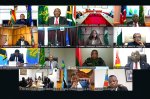
The extraordinary summit of the Southern African Development Community (SADC), held on June 29 in Pretoria, South Africa, sends a particularly firm message to Madagascar's transitional authorities. In its final declaration, the organization calls for the release of political prisoners, the cessation of arbitrary arrests targeting opposition leaders and members of Generation Z, while demanding the return of political exiles. Beyond general principles, SADC insists on the need to respect the transition timeline, conduct transparent reforms, engage in genuine national consultation, and promote reconciliation among all political components of the country. It also invites authorities to organize an inclusive dialogue bringing together the government, the Council of Christian Churches, and all stakeholders to achieve national consensus during the transition period. The regional organization also calls on the leaders of the Refoundation headed by Colonel Michaël Randrianirina to honor commitments on political reforms, in accordance with a clear, transparent schedule widely disseminated in national languages to ensure broad popular participation and better acceptance of results. In another major decision, SADC decided to expand the mandate of its Committee of Elders to now accompany national reconciliation, electoral reforms, and preparations for the referendum and future legislative elections. The summit also approved the opening of a permanent SADC liaison office in Antananarivo, tasked with coordinating and monitoring actions undertaken as part of its support for Madagascar. Reading this declaration, the summit reflects the regional community's concerns about Madagascar's political situation. Without explicitly challenging the transitional authorities, the decision emphasizes sensitive issues such as public freedoms, rule of law, respect for constitutional order, democratic governance, and arrests of political leaders. These recommendations reflect the finding that the political crisis remains deep and guarantees of fully democratic functioning remain insufficient. The call to end arbitrary arrests targeting opposition leaders and Generation Z members can also be interpreted as recognition of concerns expressed for several months by various national and international organizations regarding the use of judicial procedures for political purposes. Allies of the former regime, now engaged in opposition, regularly denounce what they call politically motivated prosecutions, while authorities reject these accusations and claim to act in strict compliance with the law. The Pretoria declaration is already generating numerous reactions on social media. Several supporters of the transitional regime openly criticize leaders of other SADC member states, particularly the South African president, accusing them of interfering in Madagascar's internal affairs and urging them to prioritize addressing difficulties their own countries face. It must be noted, however, that Madagascar needs to preserve its credibility with its regional and international partners. Recognition of the transition by regional organizations, first and foremost SADC and then the African Union, is indeed a major issue for the country's political stability, its return to a fully recognized constitutional order, and the consolidation of its diplomatic relations with the international community.
Source: Madagascar Tribune