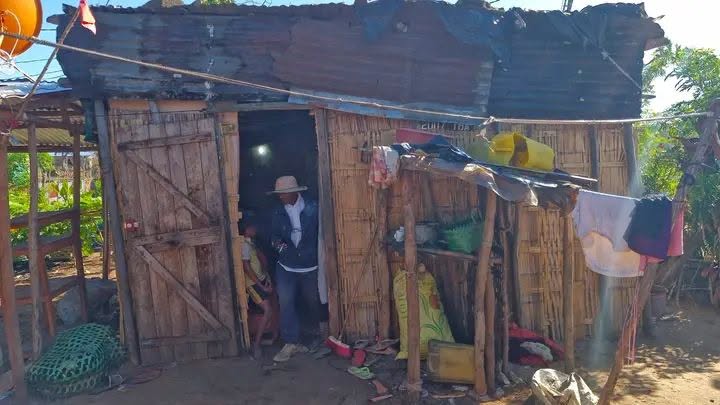
Soaline was twelve years old. Her family lived in Mangarivotra Sud, a working-class neighborhood in the major port city of Tamatave. Her greatest pride this year was obtaining her Certificate of Elementary Primary Studies (CEPE). She had thus given a beautiful gift to her family, to her father and mother, modest workers. Then, one evening, June 27, 2026, around 7 p.m., a bullet took her life. Armed bandits entered their home and demanded money. The family, living in a makeshift shack—likely a remnant from the recent cyclone Gezani—found themselves cornered. Unsatisfied with the family's response, one or more of the bandits opened fire on Soaline.
Soaline was twelve years old. She lived in Mangarivotra Sud. She had just obtained her CEPE. And she was Malagasy. Her father and mother are Malagasy. Her family—uncles, aunts, cousins—are surely Malagasy. Her neighbors are Malagasy. The fokontany chief is surely Malagasy. The district mayor is Malagasy. The Atsinanana region chief is Malagasy. The district chief is Malagasy. Her school friends, their teacher, the gate keeper are all Malagasy. Security officials in Toamasina are Malagasy. The Minister of Public Security, the Minister of Gendarmerie, the Minister of Armed Forces are Malagasy. The Minister of Labor, Employment and Civil Service, the Prime Minister are also Malagasy. Even the President of the Republic is Malagasy.
Malagasy like little Soaline, 12 years old, from Mangarivotra Sud in Toamasina: another victim of precarity, insecurity, unemployment. Finally, killed by a bullet—a fact still difficult to confirm, but highly probable—by another Malagasy. Meanwhile, Madagascar still lacks energy, financial, or food sovereignty.