Domestic
Ankatso: Soldier Shoots Girlfriend's Mother at Close Range
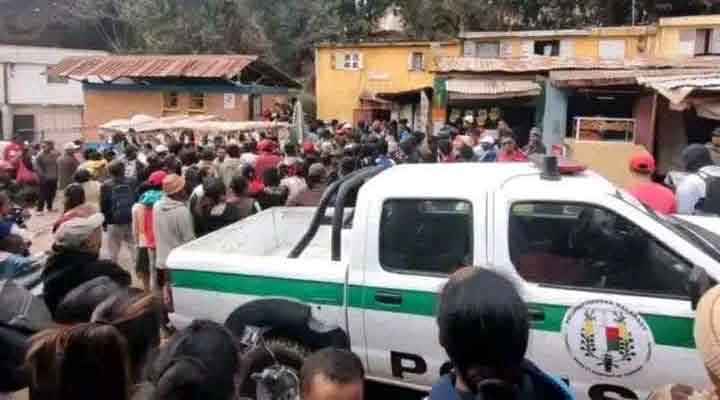
A lovers' quarrel turned tragic in Ankatso. A soldier stationed at the Presidency is implicated in the fatal shooting of his girlfriend's mother. He later rejoined his unit in Ivato before being taken to the Criminal Investigation Brigade in Fiadanana. The tragedy began last evening with a dispute between the soldier and his girlfriend. This morning, he returned by motorcycle to meet his companion. The girlfriend's mother intervened in the quarrel. The situation escalated. Enraged, the soldier drew his automatic pistol and fired three times into the air. On the fourth shot, the projectile struck the girlfriend's mother directly at close range. The victim died instantly. After the incident, the soldier left the scene and rejoined his unit, the parachute squadron in Ivato. His superior then accompanied him to the National Gendarmerie's Criminal Investigation Brigade in Fiadanana, where he was taken into custody for investigation. Investigators must now determine the exact circumstances of the fatal shot and, crucially, the shooter's intent. Depending on evidence gathered, the facts could constitute murder or even assassination if premeditation or ambush is established. Military status does not prevent criminal prosecution. He may also face disciplinary and statutory sanctions within the armed forces, independent of judicial proceedings. Depending on his status and the final charges, measures such as demotion, dismissal, discharge, or forced retirement may be considered. Without prejudging his psychological state, a sudden outburst of anger in the context of a romantic conflict can trigger an impulsive reaction. In such situations, the immediate presence of a weapon significantly increases the risk that a dispute escalates to deadly violence. Only psychological evaluation can determine potential factors influencing the act and their legal implications. This case also raises questions about preventing violence involving armed personnel. Better monitoring of soldiers facing personal crises, enhanced training in conflict and anger management, and mechanisms to temporarily remove weapons when serious risk is identified could help prevent such tragedies. When a dispute involves an armed person, priority must be to end the confrontation, remove the weapon, and quickly involve competent authorities. The investigation must now precisely determine the circumstances of the shooting and resulting criminal and military responsibilities. This bloody incident in Ankatso risks tarnishing the military institution's image, particularly amid a recent surge in criminal activity. Facing this climate of insecurity, part of the population looks to defense and security forces, especially uniformed personnel, and expects them to play a decisive role in restoring peace and security. Such a tragedy involving a soldier fuels concerns about the conduct and responsibility of armed personnel.
Source: Midi Madagasikara