Domestic
Justice: Bill to Protect Whistleblowers and Witnesses
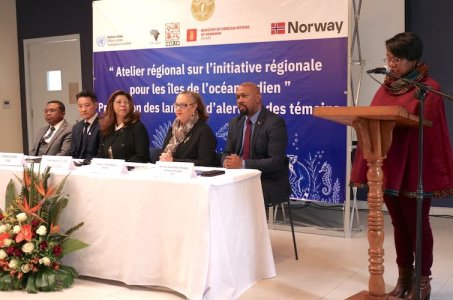
Madagascar is strengthening its legal framework in the fight against corruption by establishing a specific framework for whistleblowers and witnesses. A bill drafted by the government aims to define their status, organize their protection, and penalize any reprisals they may face. The issue is at the center of a regional workshop held in Antananarivo from September 15-17, bringing together representatives from Comoros, Maldives, Mauritius, Seychelles, and Madagascar. Jointly organized by the Committee for the Safeguarding of Integrity (CSI) and the Independent Anti-Corruption Office (BIANCO), with support from the United Nations Office on Drugs and Crime (UNODC), the meeting allows participating countries to share experiences and establish a regional roadmap. The goal is to create conditions for reporting corruption without fear of reprisals. Justice Minister Fanirisoa Ernaivo clarified details about the Malagasy bill being prepared. According to her, the text goes beyond defining whistleblowers. It must also provide protection mechanisms and sanctions against those committing reprisals. Protection for witnesses in corruption cases is also planned. The bill aims to distinguish between alerts meeting specific criteria and abusive denunciations. According to the minister, whistleblower status requires possessing evidence, acting in the public interest, and not being motivated by financial gain or bad faith. Someone spreading unfounded or defamatory accusations cannot automatically claim this status. This distinction also applies to social media practices. Ernaivo emphasizes that a whistleblower is not necessarily someone who publicly exposes a matter on Facebook or other platforms. People facing corruption, particularly in their professional environment, can transmit information directly to competent bodies that can refer matters to justice. Possession of evidence and the ability to testify become crucial for advancing investigations. The bill is at an advanced stage of development. According to the minister, drafting is complete after review by the commission responsible for penal system reform. It is now under government consultation. The next step involves examination by the Council of Ministers before transmission to the National Assembly. This legislative development is part of a broader process. Technical work conducted in recent years has already advanced thinking on creating a national framework for whistleblowers and witnesses. The statement emphasizes that the challenge now is translating this approach into concrete legal guarantees. The Antananarivo workshop also extends a first regional meeting held in Seychelles in March 2025. For participating countries, protecting those who report or testify is an important element in preventing, detecting, investigating, and prosecuting corruption.
Source: Madagascar Tribune