Among beneficiaries of Vatsin'ankohonana in Madagascar, nearly 1.9 million families have benefited from social safety net programs since 2016. A national mobilization that demonstrates the commitment to building a more resilient and inclusive society, supporting vulnerable households toward autonomy and dignity. The Social Safety Nets and Social Resilience Nets projects, coordinated by the Ministry of Population and implemented by the Development Intervention Fund with World Bank financing, provide concrete responses to daily challenges. They aim to strengthen human capital, promote economic inclusion, and develop community autonomy. Beneficiaries are encouraged to adopt behaviors favorable to health, nutrition, hygiene, and citizenship. Productive inclusion is reflected through adapted agricultural training and income-generating activities. Financial inclusion relies on village savings and credit associations, true levers for empowerment.
Results
Over 8,000 village associations have been established, enabling 177,600 members, including 148,600 women, to strengthen their savings and investment capacity. Nearly 299,000 beneficiaries have launched income-generating activities, each initiative creating between 1.5 and 2 indirect jobs. This entrepreneurial dynamic contributes to community resilience and poverty reduction. Beyond economics, programs expand their impact on access to essential services. 438,000 households received financial support, 1,248,000 households improved their energy access, and two regions benefited from water-related projects. During crises, these mechanisms provide rapid and targeted assistance, strengthening families' capacity to overcome socio-economic and climate shocks. With 1.9 million families supported, Madagascar demonstrates that ambitious social policy can durably transform living conditions and pave the way toward a more equitable future.
Society
Social Safety Nets: Over 1.9 Million Families Supported Since 2016
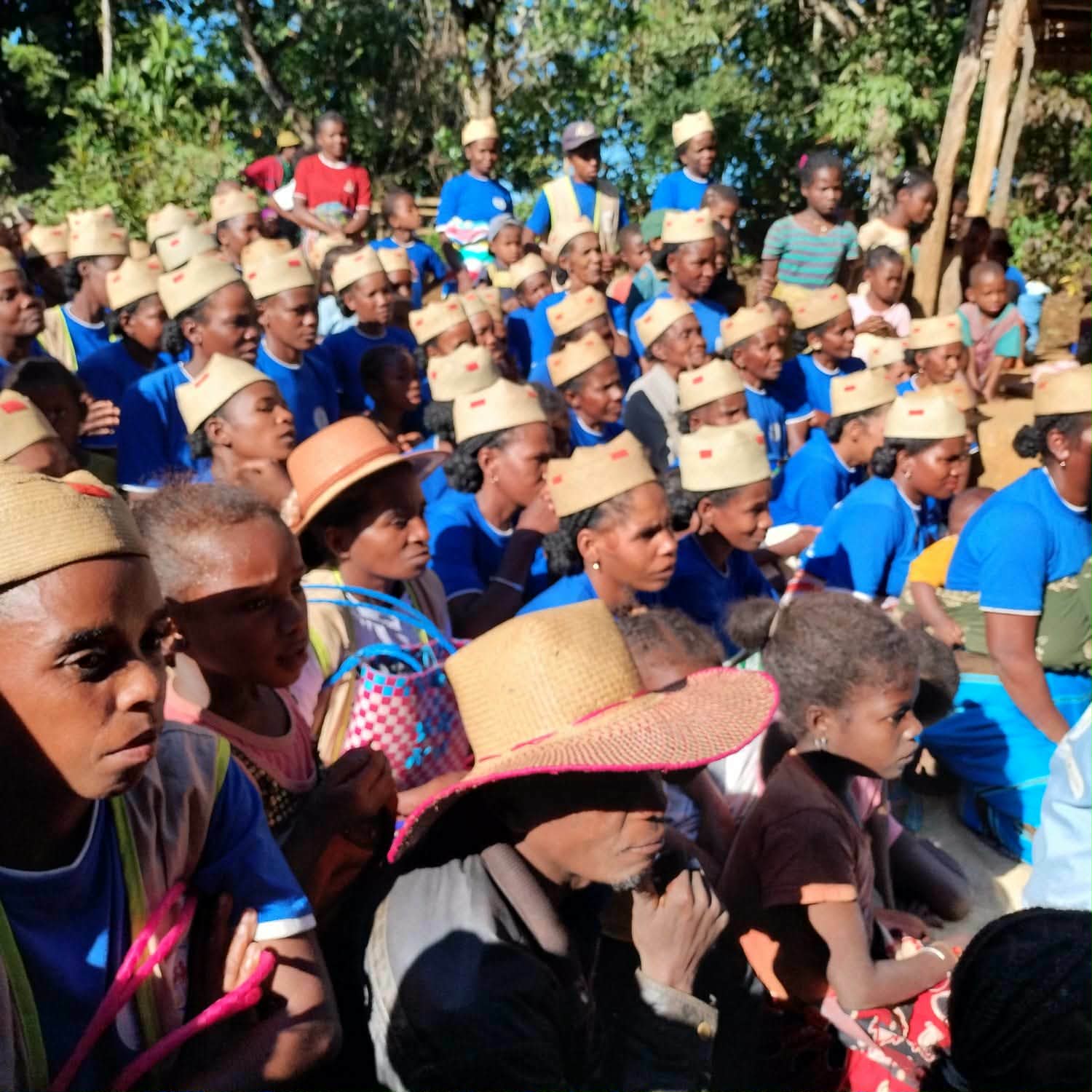
Source: Midi Madagasikara