Society
Toliara-Beira Corridor: Southern Madagascar Seeks to End Isolation
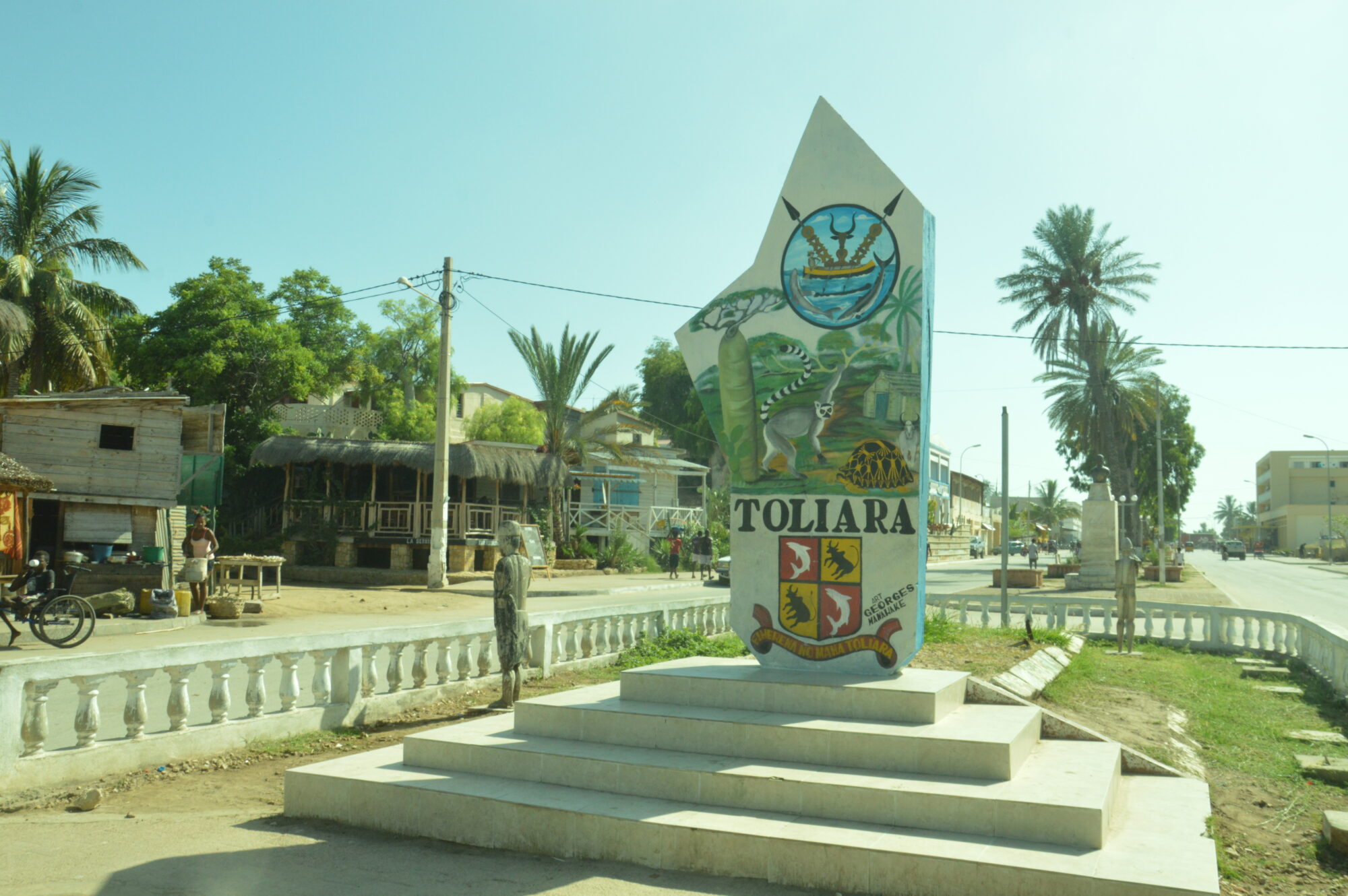
Strengthening connections between southern Madagascar and the rest of the country, while opening its production to the African continent via the Mozambican port of Beira. This logistical, economic and political ambition represents countless stakes for this region and Madagascar as a whole. The African Development Bank (AfDB) has just taken a new step in implementing the Corridor Development and Trade Facilitation Project – Phase III (CDTFP III). Designed to transform regional trade, this project aims to "break the isolation of southern Madagascar, strengthen its connection to the rest of the country and facilitate commercial exchanges between the port of Toliara and the port of Beira, Mozambique, with a logic of regional integration and AfCFTA." Indeed, the AfDB published on September 10 the general notice for procurement of the third phase of this project, with a total cost estimated at 174.66 million units of account (approximately 240 million USD). It notably provides for the development of 78 km of RNT55 between Bevoay and Morombe. This is supplemented by 22 km of dike-bypass at Fiherenana as well as work on the Manombo and Belalanda bridges. In a region where isolation complicates access to markets and essential services, a passable road means being able to move people, goods and agricultural products more easily. Take the example of Bas Mangoky, whose rice production is valued at 29,000 tonnes per year. Resources that could be better transported to Toliara through this project. The ambition is also continental. Beira is to serve as a gateway to southern Africa and allow Madagascar to better exploit AfCFTA opportunities. For southern producers, improved connectivity could reduce the isolation of agricultural basins, facilitate the flow of agricultural, livestock and fishing products, and expand markets. However, the social impact will not automatically be positive. Project preparatory studies identify 699 households, approximately 5,000 people, affected by physical or economic displacement: housing, businesses, agricultural land or income are involved. More than 9.1 billion ariary are allocated for their resettlement plans. In any case, the true impact of such a project will be measured by its ability to transform connectivity into income, jobs, market access and concrete improvement in living conditions.
Source: Midi Madagasikara