Domestic
Administrative Delays: Over 4 Trillion Ariary in Projects Stalled
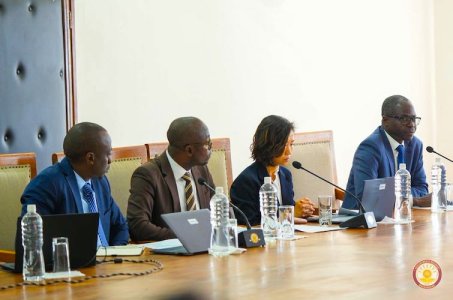
Funding is available, but projects are struggling to get off the ground. In Madagascar, administrative delays continue to hamper the implementation of several investments backed by the World Bank. The amount at stake is substantial: 1.085 billion dollars, or more than 4 trillion ariary, corresponding to projects currently on hold. The scale of the problem was discussed Monday in Mahazoarivo during a meeting between the government and a World Bank delegation. At the center of discussions: administrative obstacles delaying project launches and, consequently, disbursements of already mobilized financing. The energy sector is among the affected areas. Several investments aimed notably at renewable energy and improved electricity distribution are still awaiting completion of various formalities. A situation all the more concerning as the country faces renewed power cuts amid insufficient electricity production. However, the blockages are not limited to validation channels. Land availability, site clearance, and compensation for populations affected by construction work are also steps that could delay projects. Difficulties related to land documents further complicate certain procedures, particularly when determining the rights of affected persons before proceeding with compensation. For Prime Minister Mamitiana Rajaonarison, obtaining financing is therefore not enough. The real challenge is to quickly transform it into concrete achievements that have a real impact on people's lives. He reiterated three principles he intends to impose on government action: "speed, impact, and innovation." Officials concerned were thus instructed to streamline procedures, eliminate redundant steps, and make compensation payments more efficient. The goal is to unblock cases that can be resolved without delay. However, the problem is not new. Last March, the Minister of Economy and Finance, Herinjatovo Ramiarison, had already drawn attention to the consequences of administrative delays on disbursements. In early July, deputies had also denounced their impact on budget execution and public investments.
Source: Madagascar Tribune