Madagascar's vanilla quality must remain the priority. The stock buyback system proposed by the transition government has failed to win unanimous support from vanilla sector operators. The Madagascar Vanilla Exporters Association, which represents the majority of vanilla operators, believes this government proposal cannot resolve the sector's oversupply crisis. Other operators share this view.
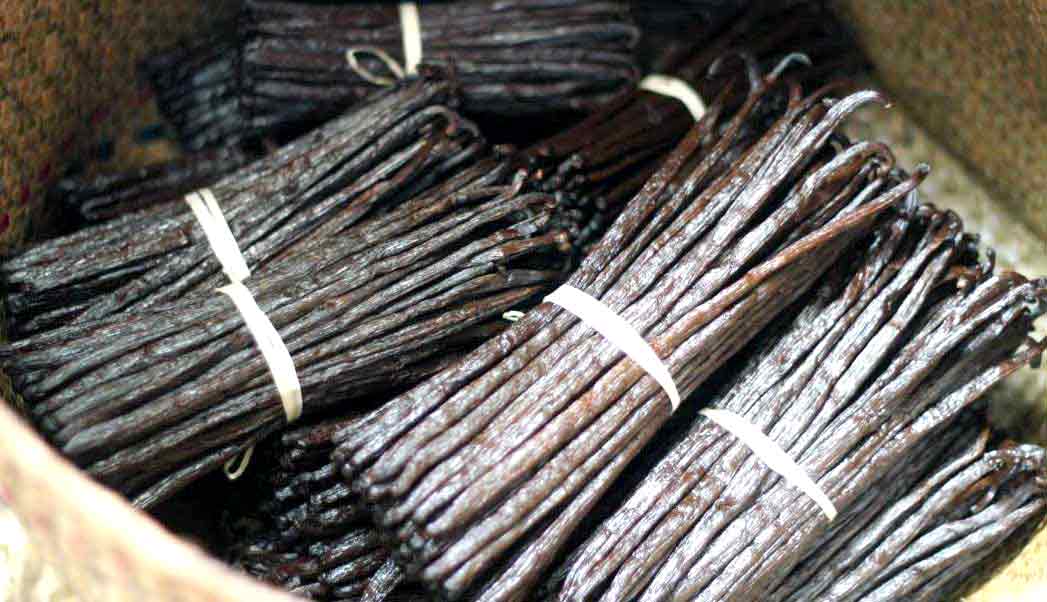
The Commerce and Consumer Affairs Ministry, through the newly established Madagascar Vanilla Alliance (AVM), which replaced the National Vanilla Council (CNV), has launched a project to buy back 600 tonnes of prepared vanilla from select exporters. In return, eligible exporters—according to criteria still undefined—must purchase 3,000 tonnes of green vanilla at 5,000 ariary per kilo for short varieties and 10,000 ariary per kilo for long varieties, as set by the last Cabinet meeting. According to the AVM, this solution risks failing to deliver expected results.
"This solution will merely transfer ownership of existing stocks," the association estimates, whose members are well-versed in vanilla market history and international trends. Furthermore, operators warn the stock buyback system could become a corruption source, given the stakes represent tens of millions of dollars. This concern is heightened because the funds involved are not taxes but contributions from exporters during the CNV era. "Exporters who paid 4 dollars per kilo of exported vanilla also have a say in how these funds are used," operators argue.
Vanilla sector operators believe solutions lie elsewhere—in medium-term approaches focused primarily on maintaining Madagascar vanilla quality and implementing concrete, sustainable reforms. "We must take action to convince international buyers to use more natural vanilla," operators state. They also contend that any interventionism harms Madagascar's vanilla sector. "The key is ensuring free competition while implementing safeguard measures to prevent abuses."
Unlike transition authorities who promised—unsuccessfully—a significant vanilla price increase, operators propose more effective and sustainable solutions. Meanwhile, green vanilla prices remain at their lowest across the country's markets. With anticipated supply increases from new campaign openings in several regions, the situation will likely worsen. Madagascar's black gold, currently selling at green bean prices, risks further decline.
Economy
Vanilla Sector: Government Stock Buyback Plan Deemed Ineffective by Operators
Source: Midi Madagasikara