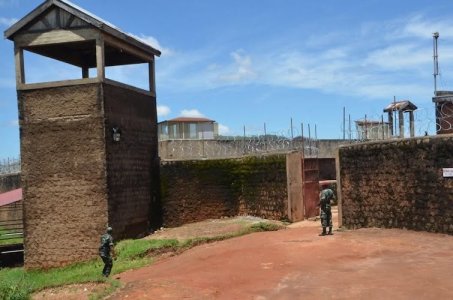
Behind the high walls of Tsiafahy, what is really happening? Concerns about the health of Colonel Patrick Rakotomamonjy have placed the prison back at the center of a longstanding controversy: the conditions of detention and respect for fundamental rights in Malagasy prisons. A military doctor incarcerated since April 16, 2026, Patrick Rakotomamonjy is being prosecuted in a case involving an alleged assassination attempt against Refondation president Michaël Randrianirina and a coup plot. Eleven other people were also detained in this case. But for several days, the debate has shifted to prison conditions. His wife, Dr. Minohasina, claims she has been denied visits since August 23. She describes back and chest pain, respiratory difficulties, and demands his transfer to Soavinandriana military hospital. In a new video, she alleges that after her first statement, her husband suffered another episode of mistreatment: hot water was allegedly thrown on him in the prison yard, leaving him unable to walk. The colonel's wife also mentions the death of a military officer in the facility about a month ago. The circumstances of this death remain unknown. At the time of publication, neither the Justice Ministry nor Tsiafahy prison have provided explanations or denials regarding these allegations.
Tsiafahy, the 'hell' already described by Amnesty
These accusations take on particular resonance when looking back several years. Tsiafahy had already been severely criticized by Amnesty International. On February 12, 2018, the organization published a statement with a striking title: "Overcrowding at Tsiafahy Prison: Detainees Live in 'Hell'." The findings were damning. In October 2017, 988 men were crammed into a prison designed for 350 people. Some cells designed for about 70 detainees held more than 200. Lack of space, insufficient ventilation, inadequate bedding: Amnesty described these conditions as "totally unacceptable," arguing they could constitute cruel, inhuman, or degrading treatment. And Tsiafahy was only the visible part of a much larger problem. After research in nine Malagasy prisons, Amnesty described the same year overcrowded and unsanitary cells, insufficient food and medical care, and serious health problems. In 2017, 129 people died in Madagascar's prisons, including 52 detainees awaiting trial, according to the organization.
Houcine Arfa, a precedent that made waves
At that same time, one name had already shone a spotlight on Tsiafahy: Houcine Arfa. This former security advisor to President Hery Rajaonarimampianina, a French national of Tunisian origin, was incarcerated there in 2017 before escaping during a medical leave, then reaching Mayotte and France. Once in France, he recounted suffering violence, beatings, and treatment he described as inhumane at Tsiafahy. He also said he feared for his life. Malagasy authorities contested his accusations, but the case had contributed to shining a harsh light on this high-security prison.
Eight years later, the same concerns
Time has passed, but Tsiafahy continues to make headlines. In June 2026, Amnesty International again expressed concern about detention conditions in this facility, this time in the case of former senator and presidential candidate Sylvain Rabetsaroana. The organization reported his provisional detention in overcrowded conditions and expressed concerns about his deteriorating health. The Patrick Rakotomamonjy case thus arrives on terrain already heavy with precedent. It above all puts back on the table a problem that does not stop at Tsiafahy's doors: prison overcrowding in Madagascar, provisional detention, but also access to healthcare, hygiene, food, and prisoner dignity. His wife moreover calls on legal experts to determine whether her husband's detention conditions respect the law and human rights. The allegations of mistreatment she makes remain to be verified. But Tsiafahy's past is documented. From Houcine Arfa to Amnesty reports, to new alerts in 2026, the same nagging question returns: nearly a decade after the first denunciations, what has really changed behind the walls of Tsiafahy and Madagascar's prisons?
Domestic
Tsiafahy Prison: Colonel Patrick Case Reignites Detainee Rights Debate
Source: Madagascar Tribune