Politics
Anti-corruption fight: 641 cases recorded in 2025
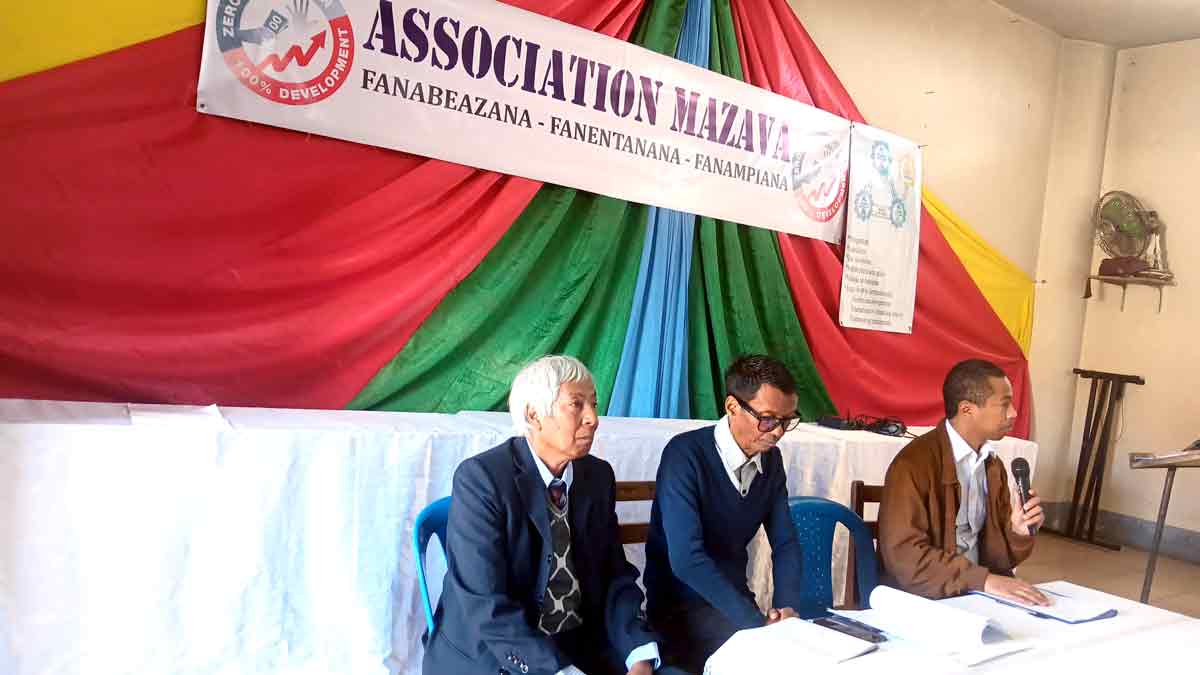
Officials from the Mazava association held a press conference the day before yesterday. Corruption remains present in several sectors of the administration. This is the assessment made by the Mazava association during a press conference dedicated to combating this phenomenon. Its leaders highlighted the difficulties encountered in this fight and called for greater mobilization of the population. The Secretary General of the Mazava association, Anthonio Abraham, briefed the press the day before yesterday on the corruption situation in Madagascar. He notably discussed the reasons why this phenomenon persists and the sectors most affected. "Corruption and injustice truly destroy everything. It is a reality I have witnessed myself," he declared, while emphasizing that the current means deployed to fight corruption remain insufficient. According to Anthonio Abraham, the persistence of corruption is explained notably by insufficient resources and the lack of people willing to report wrongdoing. Several sectors of the administration are affected, particularly decentralized territorial authorities (CTD), ministries, land services, and the judiciary. He also referred to the BIANCO report covering 2025 and presented in 2026. This report documents 641 corruption cases involving more than 2,000 people. Among them, 666 were prosecuted and 215 were placed under arrest warrant. Decentralized territorial authorities, the forestry sector, and the judicial sector are the most affected. For the Mazava association, the fight against corruption cannot rest solely on institutions. Anthonio Abraham believes that better coordination between donors, the administration, and the population is necessary. He notably mentioned Sustainable Development Goal No. 16, dedicated to peace, justice, and effective institutions. He called on citizens not to remain passive in the face of corruption. The association invites anyone who witnesses an act of corruption, has a proposal, or wishes to offer support to contact them. Didier Razanapanala, coordinator of the Mazava association, for his part, stressed the importance of solidarity in this fight. "There is no magic solution. We must work together," he noted. He reminded that the people must remain at the center of this effort.
Source: Midi Madagasikara