Domestic
Jirama: Power cuts intensify on RIA due to two broken machines
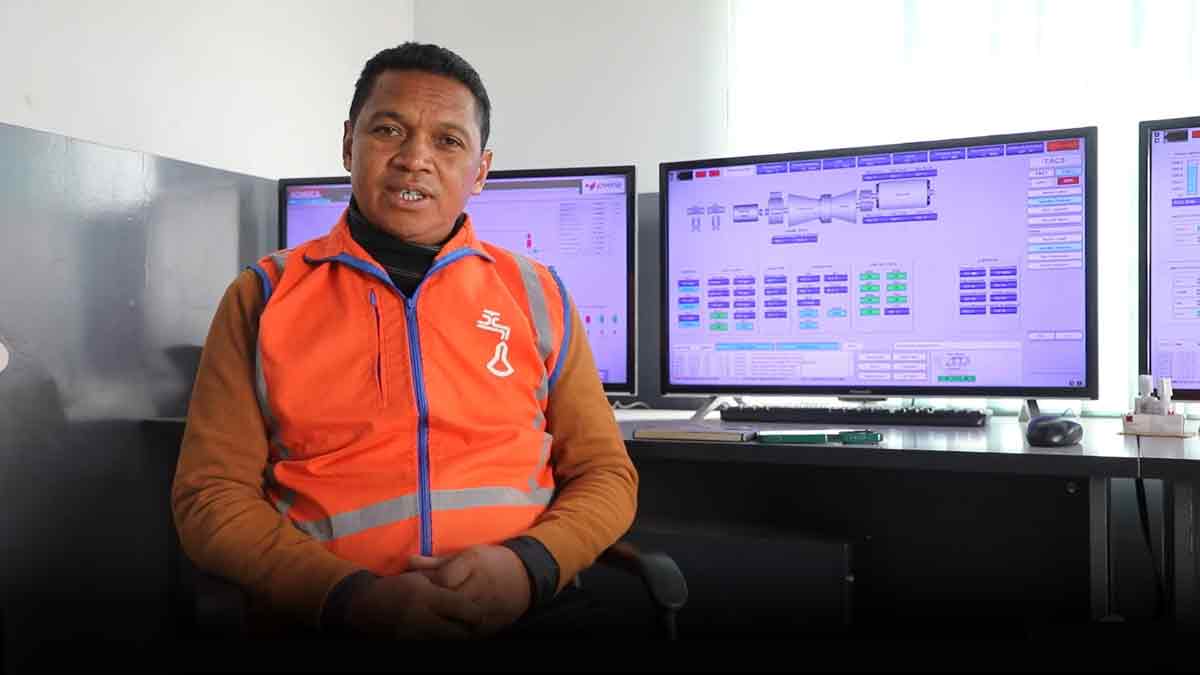
Solofonantenaina Rakotonandraina, director of RIA at Jirama. The Antananarivo Interconnected Network (RIA) is currently facing a production deficit of approximately 25 MW compared to user demand. Rolling blackouts are therefore necessary again for the Capital and zones connected to this network. This situation is explained by a combination of several factors, according to Solofonantenaina Rakotonandraina, director of RIA at Jirama. First, the dry season is directly affecting hydroelectric plants. The Mandraka and Andekaleka facilities are particularly suffering from water shortages. Their combined production currently fluctuates between 80 and 120 MW. Artificial rainfall operations have nevertheless been conducted, with results deemed promising this week. They notably allowed the Andekaleka plant to temporarily reach production of up to 100 MW. To this hydrological constraint is added poor sunlight. Solar plant production can thus drop to approximately 20 MWc during the day, compared to 40 to 50 MWc under more favorable conditions. Jirama hopes for improved weather conditions during September to increase solar's contribution to the production mix. Frequent breakdowns Thermal plants are also experiencing incidents. Two Afripower units have been down since yesterday. According to officials, this is a temporary incident that should be resolved soon. The TAC 1 at Ambohimanambola remains offline, awaiting spare parts from abroad. Technicians will restart it upon their arrival. In this context, rolling cuts remain unavoidable for now. Jirama and the Ministry of Energy and Hydrocarbons indicate they are continuing to seek solutions to reduce their impact on users as much as possible. Among announced measures is the installation of new thermal units for RIA, providing an additional 3 to 4 MW of power. Several solar projects are also underway, with the objective of progressively strengthening production capacity and reducing network vulnerability to climate and technical hazards.
Source: Midi Madagasikara