Domestic
National Consultation: Technical Committee Members Appointed
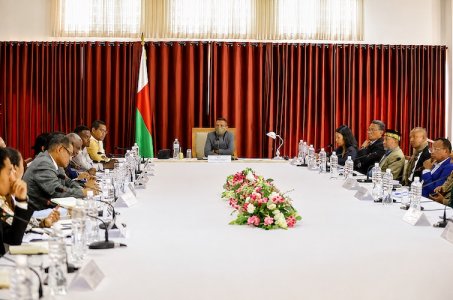
On September 3, 2026, Prime Minister Mamitiana Rajaonarison signed decree n°29031/2026 in Antananarivo designating members of the Technical Committee for the National Consultation. This decision represents concrete progress in organizing the major consultation process launched as part of the Republic's Refoundation. Created by decree n°2026-1543 of June 17, 2026, the Technical Committee is tasked with supporting the Ecumenical Council of Christian Churches of Madagascar (FFKM), which leads the consultation across the territory. Based at the Prime Minister's office, it is responsible for monitoring the schedule, technical coordination, and transmitting conclusions from debates to the government for implementation. Its mandate will end upon the investiture of the President elected through the refoundation process. This appointment comes in a political context marked by the transition opened in October 2025. After several weeks of delays, the national consultation process gained operational momentum at the end of August 2026. The FFKM then unveiled a schedule providing for progressive consultations starting from fokontany in mid-September, then moving to communes, districts and regions, before a national synthesis expected in March 2027. Resolutions from these debates are to be presented after May 2027, just before electoral deadlines scheduled between May and July 2027 (referendum or constitutional election), followed by a presidential election later that year. This timeline is part of the Refoundation Program submitted to the Southern African Development Community (SADC), which sets a twenty-four month horizon for achieving a new institutional framework. The establishment of the Technical Committee responds to a coordination need clearly identified since June. Refoundation authorities and the FFKM had agreed to create this structure to ensure respect for procedures and facilitate links between religious actors, institutions, civil society and key stakeholders. Its deliberately pluralistic composition reflects the desire to involve a wide range of representatives to strengthen the process's legitimacy. On the ground, preparations are accelerating. Facilitator training is underway or scheduled in districts and communes, while political consultations on electoral governance continue at the Iavoloha State Palace. The Independent National Electoral Commission (CENI) is simultaneously preparing an overhaul of the electoral roll, considered essential for credible elections. The September 3 decree thus marks the transition from a preparatory phase to a more operational one. It confirms that the National Consultation, demanded since the change of power, is now entering concrete implementation. It remains to be seen whether the announced schedule can be met, in a context where population expectations and international partners' hopes for peaceful and inclusive elections in 2027 remain high.
Source: Madagascar Tribune