Culture
Expression: The Sap of the System
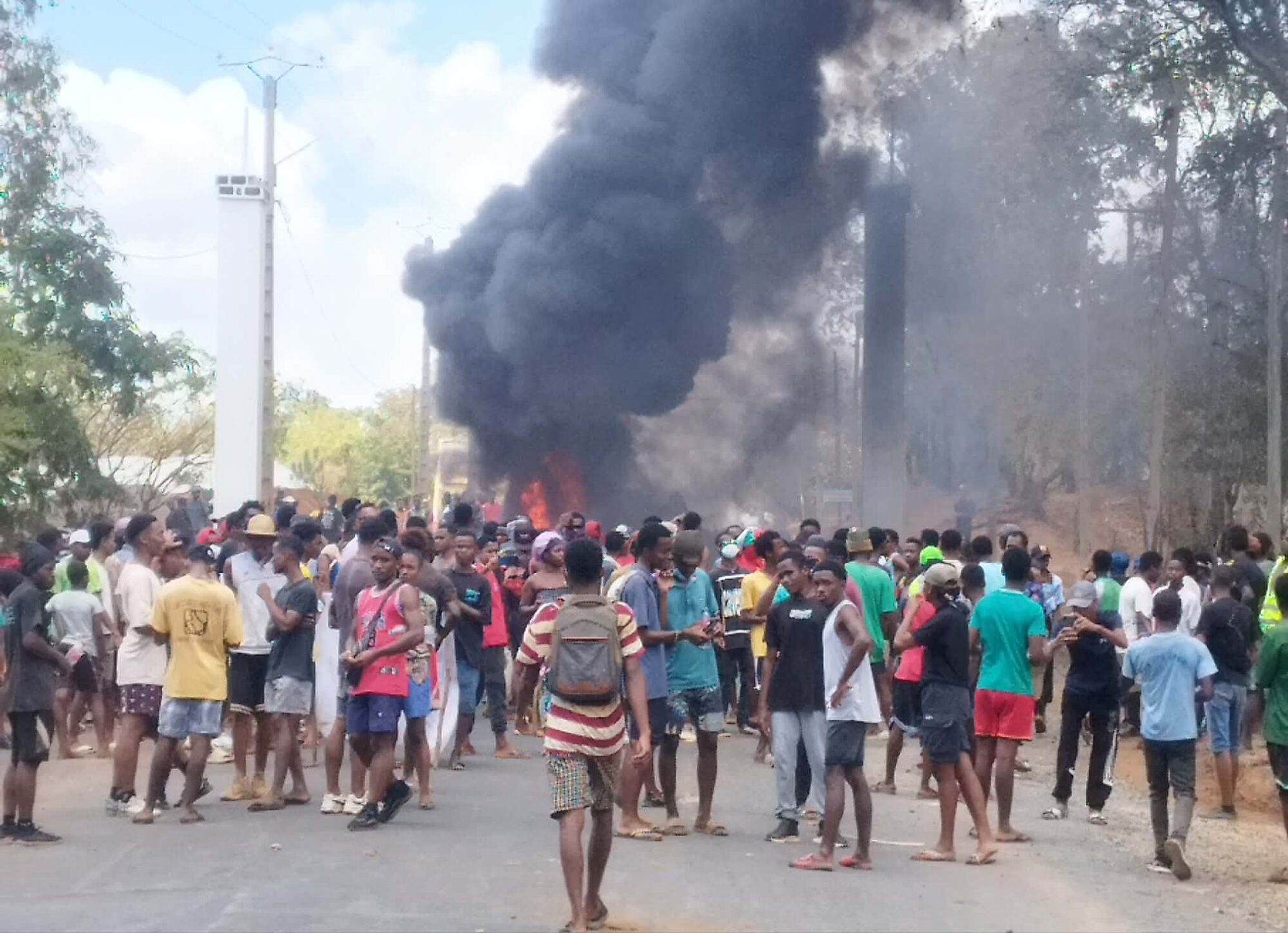
"It is not easy to straighten out this country," stated the head of the Refoundation of the Republic of Madagascar during his visit to Secren on January 7, 2026, in Antsiranana. However, it is even more difficult to make a people understand this when they want immediate change, because they are hungry, their discontent rumbling. Small and medium entrepreneurs, workers, and farmers are poor, emaciated, and broke. Blaming administrators would be too bold. Yet they cannot do without them. Madagascar has a problem of form and substance. The first stems from this negligence, this laissez-faire attitude: the mindset of a population wanting to simplify their lives "because there is so much poverty." Laziness takes over. If the Great Island were a boat, Malagasy would be undisciplined and irresponsible rowers. Clearly, nothing advances. On the other hand, mentality remains a serious problem. The substance does not come solely from the population: leaders bear significant responsibility. Procrastination, appearance before action, money before respect, a thousand speeches and zero action push the country deeper into poverty's mud. "This problem of form and substance persists. From the Second Republic to today, this situation digs a chasm between high officials and their fellow citizens. The expression 'samy manao izay tiany' (everyone does what they want) is far from being freedom," emphasized sociologist Dr Sandro Lino Razanadramionina. Indeed, in Madagascar, it is anarchy that does not speak its name! The example comes from above, but below, it is practice. Workers of once-flagship companies, farmers of cash crops, small and medium operators currently suffer. The cause comes neither from the old regime nor from the Refoundation, which will celebrate its rise to power in a month. The cause is distant. But again, the accusation would be unfounded if we absolved ourselves of error by blaming the raiamandreny who, despite everything, did all they could to straighten the nation. The explanation from Dr Daniel Arius Mahitsiambo, specialist in international relations, deserves consideration. "Personally, successive governments made the same mistake. In the 1970s-1980s, Madagascar chose to work with the Eastern Bloc. I believe the team of the president at that time did not conduct deep reflection, without doubting their experience, of course. They were intelligent elites. But it seems to me that adapting socialism to Malagasy tradition was, if I may say so, forced. There was no basic continuity." Embracing international political trends has become a national sport. Outside ideology is brutally, if one dares say, implanted in the minds of a people seeking their bearings. Malagasy, for their part, nurture ideas proposed by foreign channels. Consequently, words clash. Referring to decisions made by certain African leaders does not seem a solution. Madagascar is not Burkina Faso, that country imbued with Thomas Isidore Sankara's legacy. From a historical overview, Mali and Niger, for example, have pride with a solid foundation despite French domination. Instead of studying and conducting meticulous analysis of what happens here, high Malagasy dignitaries, to please the vahoaka, demonstrate "look, we too are with them." They display themselves alongside "hardheaded presidents" like fans asking for selfies with their idols. Being the subject of international journalists is the objective. Let's admit it, leaders of this perpetually constructing nation are trendy, like artists seeing their popularity fall and proposing features with current stars! Newspaper articles, television programs, radio shows, and influencer talk-shows, though some are subtly muzzled, no longer shake the branches but the tree's trunk. It is no longer about dropping rotten fruit, but uprooting the tree from its roots. Yes, the sap of corruption and clientelism has fed the fruits and leaves. This aligns with young sociologist Dr Daniel Arius Mahitsiambo's argument. These fruits and leaves are merely the visible part, "the form." The root, the part deeply immersed in soil, is "the substance."
Source: Midi Madagasikara