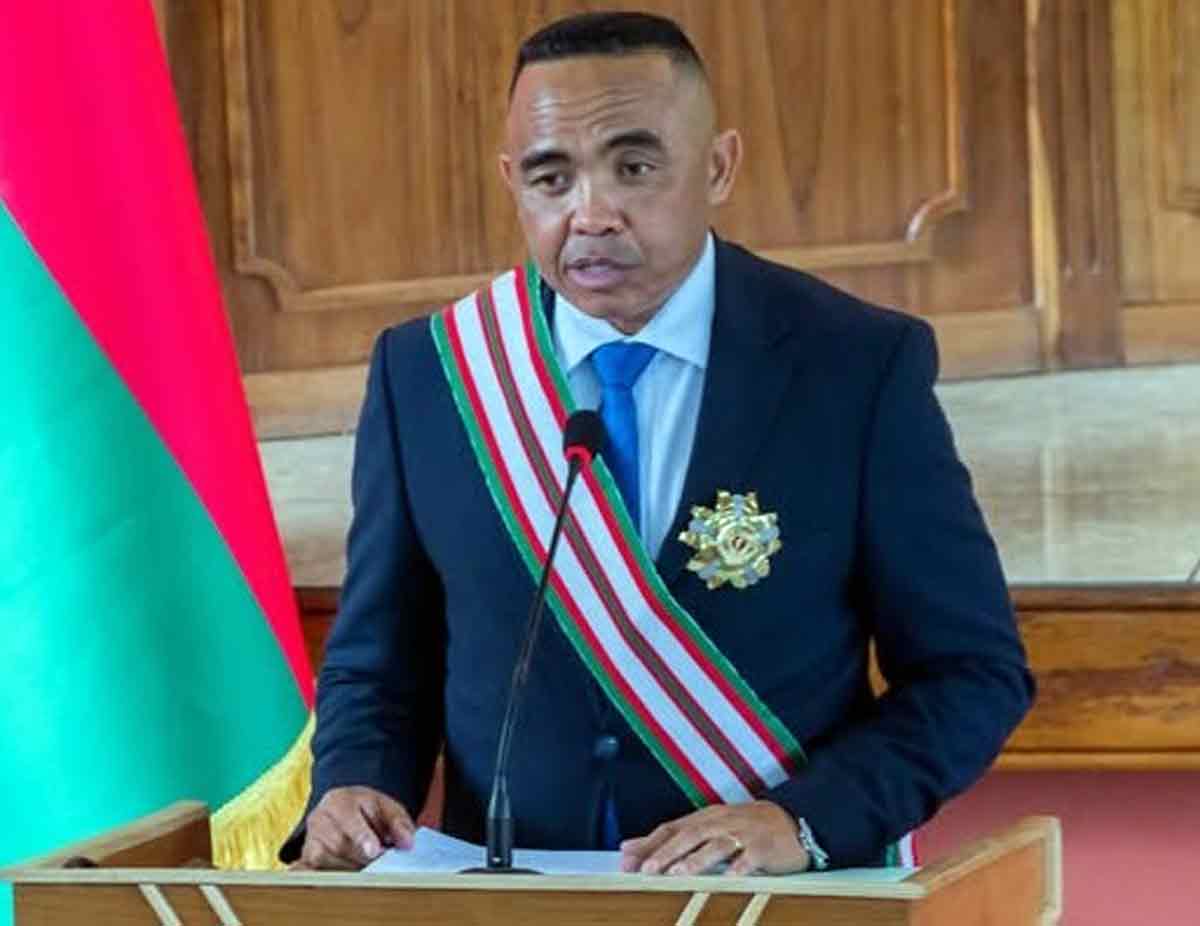
Colonel Michaël Randrianirina's potential candidacy risks creating a constitutional quandary. The Refondation of the Republic of Madagascar (PRRM) launched yesterday at Iavoloha Palace a "Dinika fakan-kevitra hanomanana ny fifidianana" (consultation on electoral arrangements). It remains unclear whether this constitutes genuine consultation or merely a request for opinions on a predetermined project. It is not mediation in the traditional sense, despite invitations to UN System representatives, the African Union, and SADC as observers. These bodies lack the facilitator role typically seen in political crisis resolution. The process could resemble dialogue among electoral stakeholders, though the initially invited entities lack substantial electoral experience, except perhaps the Firaisankina group, now marginalized after the founder of "Tiako I Madagasikara" withdrew with his elected officials.
Sixty Days Before
Meaningful consultation requires openness to all stakeholders and genuine exchange of ideas and viewpoints. A critical question remains unaddressed: whether participants discussed the sitting president's resignation obligation. Article 46, paragraph 2 of the Constitution mandates that "the sitting president who stands as a candidate in presidential elections shall resign from office sixty days before the presidential election date."
October 2027
As sitting president, the PRRM is bound by this resignation requirement. With presidential elections scheduled for December 2027, the current occupant of Iavoloha must vacate the Palace in October of that year—roughly one year from now. Following Ravalomanana's 2001 campaign strategy with "Aza matahotra, minoa fotsiny ihany" (don't be afraid, just believe), there is reason to believe Colonel Michaël Randrianirina will indeed run for supreme office, risking disqualification only if a "neither...nor" scenario emerges, as occurred in 2013 when both the former elected president and his 2009 successor were barred.
Consolidating the Title
If the PRRM leader does not seek the presidency, the resignation question becomes moot. He could remain in office until the next president's election, as desired by the "Vondron'ny Mpitolona manerana ny Nosy nanohitra ny fitondrana jadona teo aloha" (activists' group opposing previous authoritarian rule). This group filed three petitions with the Constitutional Court on May 22, 2026. The second petition sought "consolidation of Colonel Michaël Randrianirina's title as definitive head of state, whose functions cannot be interrupted until the new republic president's investiture during the exceptional period."
Inadmissible Petitions
On August 26, the Constitutional Court declared all three petitions inadmissible, ruling that direct constitutional court access for this "informal group of citizens" lacks constitutional provision. The 2010 Constitution remains in force until the Fifth Republic Constitution is adopted by referendum and promulgated, which cannot apply to the current PRRM unless transitional provisions decide otherwise to avoid constitutional confusion. Challenging the sitting president's resignation obligation would represent regression to Didier Ratsiraka's era, when he removed it from the Third Republic's original Constitution during the March 5, 1998 referendum, before Andry Rajoelina reintroduced it in the 2010 Fourth Republic Constitution. Will the Colonel in the green beret follow the Admiral in red or the Orange regime's number one? This could become a key discussion point or stumbling block in the current consultation and the upcoming constitutional referendum.
Domestic
2027 Presidential Race: PRRM Faces Resignation Obligation if Candidacy Confirmed
Source: Midi Madagasikara