Domestic
Ambohimanga: Deaths of four murder suspects spark major controversy
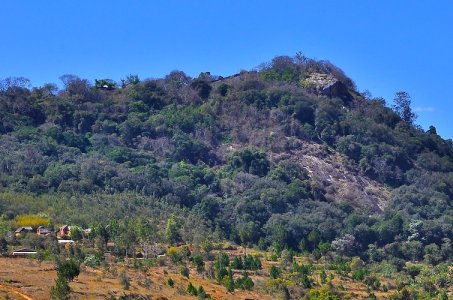
What was supposed to be a decisive step in the judicial investigation ended in bloodshed. Arrested on Tuesday, August 25, following the gruesome discovery on Sunday, August 23, of the bodies of Stéphanie Nohasoavina and Haingotiana Rasamison in a ravine in Andranomatsatso at Ambohimanga Rova, all four adolescents suspected of committing the murder died during a police intervention. This outcome abruptly halts public proceedings and plunges the country into deep bitterness. Reported missing on Friday, August 21, then found dead two days later, the two young women from Manjakaray were victims of unprecedented violence. The rapid investigation conducted by the gendarmerie led to the arrest of four suspects, including minors, just forty-eight hours after the discovery of the bodies. However, the procedure tragically derailed. Taken to the crime scene for a reconstruction intended to clarify unclear points, the defendants allegedly attempted a sudden maneuver—escape or assault according to the official version—prompting police to open fire. Mortally wounded, the four adolescents succumbed to their injuries before even being able to appear before a court. The definitive neutralization of the four accused immediately triggered fierce controversy within public opinion and civil society. Many question the security conditions surrounding the custody of four very young suspects and denounce a drift resembling summary execution. Confusion dominates regarding the handling of a procedure overseen by professionals. By eliminating the possibility of a public and adversarial trial, this outcome forever deprives the victims' families of fundamental answers about the exact circumstances and true motives of the double crime. The forced silence of the defendants leaves a judicial void and permanent suspicion regarding the existence of possible accomplices or masterminds. Beyond the judicial turmoil, the Ambohimanga Rova case stands above all as an immense waste of human lives. Within a few days, six young lives have been completely destroyed. On one side, two innocent young women cut down in the prime of life by an act of unprecedented savagery. On the other, four adolescents drawn into a devastating criminal spiral, dead without having been able to answer for their actions before their country's justice system or begin any possible redemption. This succession of violence highlights the deep flaws in society and leaves a bitter taste for an entire nation. Instead of the long-awaited truth, history will remember this Ambohimanga Rova tragedy only as a field of family ruins and the shadow of a mystery forever unresolved.
Source: Madagascar Tribune