Society
Civil Registry: Boeny Closes 2026 Training Cycle
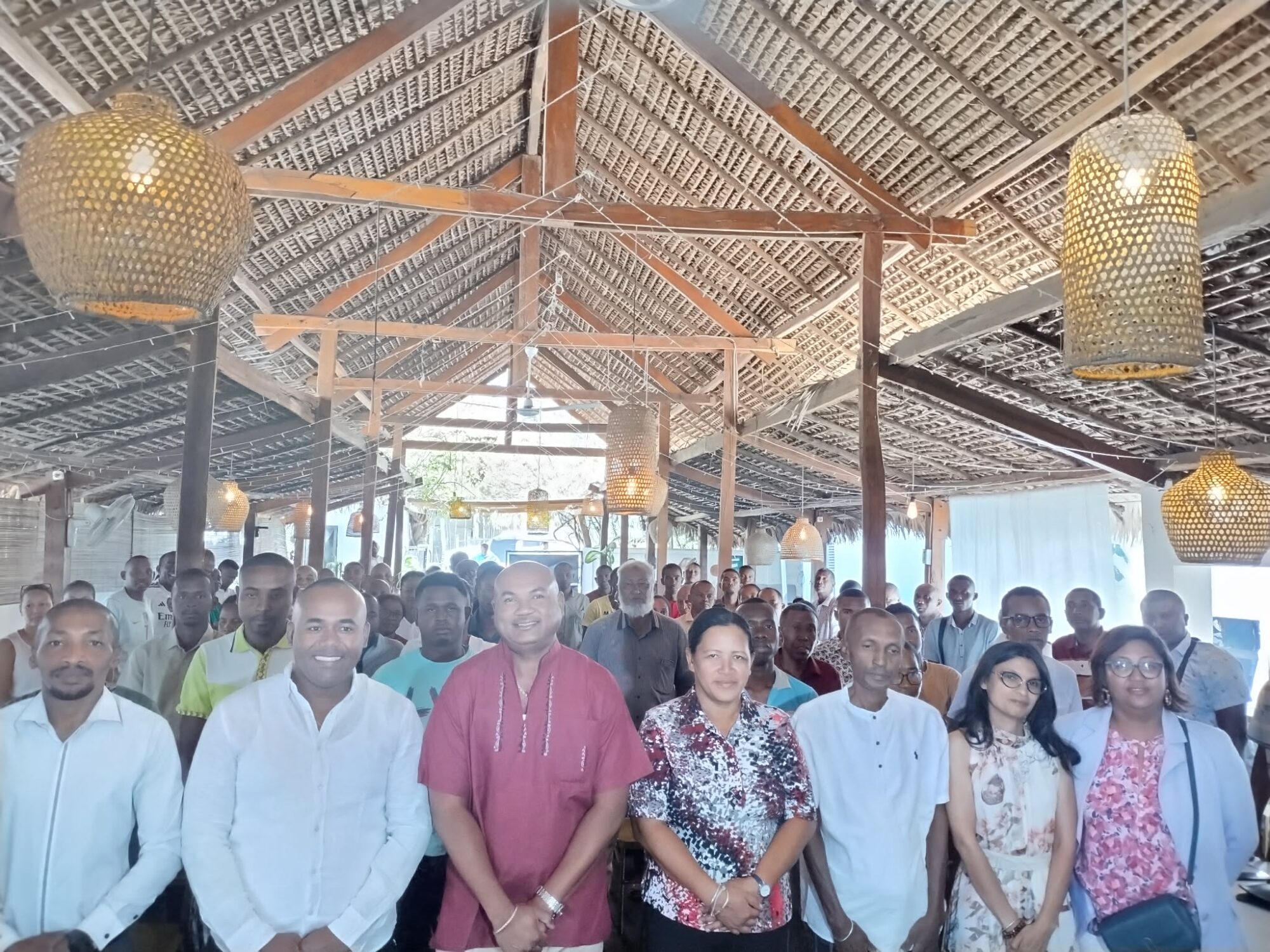
In Mahajanga, the final civil registry training session brought together municipalities from the Boeny region. The objective is to guarantee every citizen legal existence and strengthen access to fundamental rights. The training, held from September 1-3, 2026 in Mahajanga, marks the closure of the national program to strengthen the skills of local civil registry actors for the year. Led by the Ministry of Interior and Decentralization through the National Institute for Decentralization and Local Development (INDDL), and supported by the International Organization of the Francophonie (OIF), the initiative aims to bring administration closer to citizens and modernize local services. In total, civil registry officers and secretaries from 35 municipalities in the districts of Mahajanga I and II, Ambato Boeny, and Marovoay participated in the workshop. Their mobilization illustrates the importance of local authorities in recording civil registry facts and consolidating citizens' legal identity. During the opening, Nasolo Adakalo, Boeny regional chief, recalled that civil registry forms the basis of public policies and an essential lever for development. Topics covered included knowledge of laws, mastery of administrative procedures, the value of official documents, and archive security. If training aims to improve the quality of work in civil registry services, lack of equipment remains a major obstacle. Mohamad Ilyas, mayor of Andranofasika and president of Boeny mayors, deplored the persistent use of typewriters and stressed the need to digitize archives to preserve data. This session continues training conducted in the regions of Alaotra Mangoro, DIANA, Ihorombe, and Fitovinany. Everywhere, the same objective: to make civil registry an instrument of inclusion and protection of fundamental rights. The closure in Boeny marks not an end, but a step in an ongoing national commitment. For giving legal existence to every citizen means enabling them to participate fully in community life.
Source: Midi Madagasikara