Society
Back to School: The Budget Shock Destabilizing Households
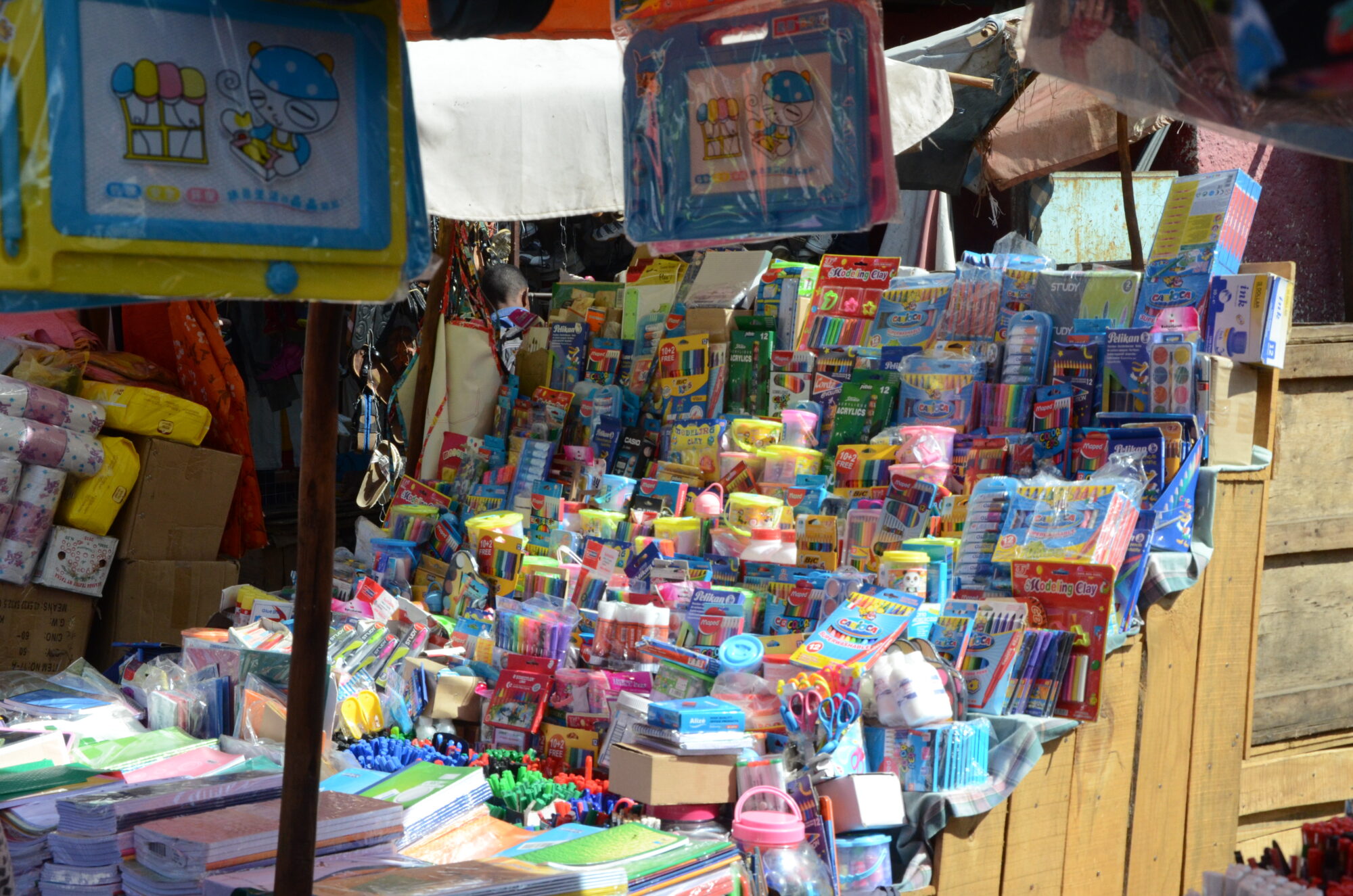
For Malagasy families, the school year represents far more than a one-time expense. This period forces households to sacrifice certain needs to send their children to school. Tuition fees, supplies, clothing, transport and other charges arrive simultaneously and can cause a genuine budget shock. For low-income households, the choice is less about whether to educate children than about determining which other expenses must be postponed, reduced or eliminated. The difficulty stems first from the concentration of expenses. Just days are needed to gather tens or even hundreds of thousands of ariary when multiple children are enrolled. In households with limited financial margins, this accumulation disrupts monthly balance. The phenomenon reveals broader vulnerability. When the budget cannot absorb an additional expense, it necessarily impacts elsewhere. Some families reduce routine purchases, postpone healthcare spending, forgo necessary equipment, seek help from relatives or resort to borrowing. Yet parents generally do not view school as an ordinary expense. It represents an investment in their children's future. Several studies establish a significant link between education level and poverty in Madagascar. In several reference datasets, extreme poverty affected 75% of people without education, compared to 33% of those who reached at least secondary level. Therein lies the paradox. To improve their children's economic prospects, families must accept immediate financial strain that can destabilize their own balance. The concept of effective educational policy—not merely allowing school entry but making the school journey financially sustainable for the most vulnerable families—warrants serious consideration.
Source: Midi Madagasikara