Society
Cyclones: The poorest take longer to recover
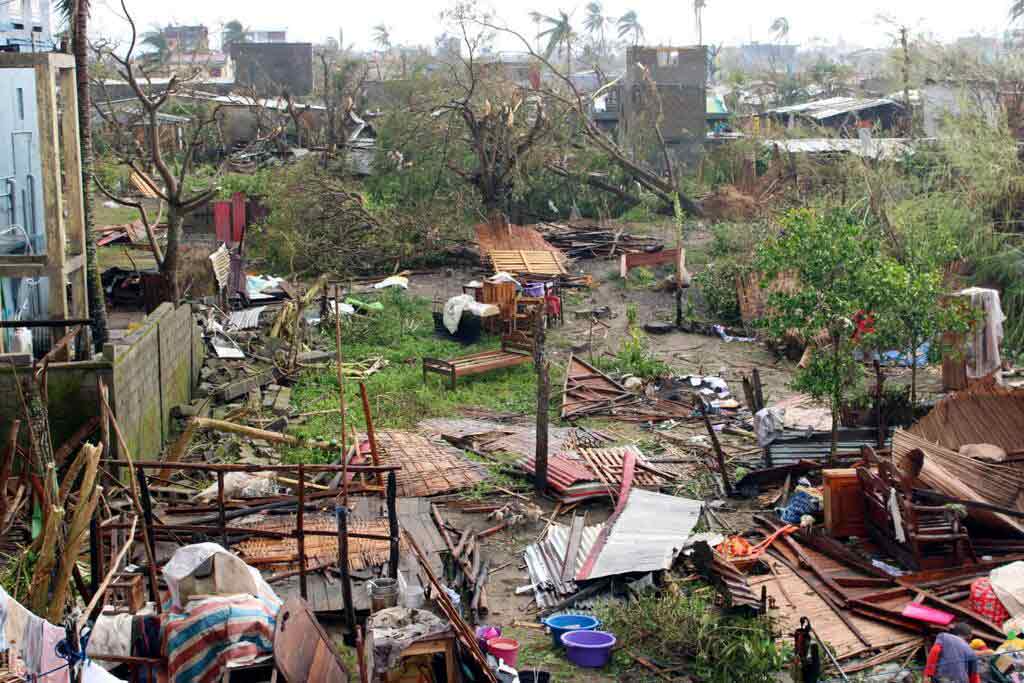
The impacts of a cyclone are not uniform; populations are affected differently. When Fytia and then Gezani struck the country in early 2024, damage affected homes, infrastructure, and economic activities. But for already fragile households, the shock can have more lasting consequences. Geospatial analysis published by the United Nations Development Programme (UNDP) following the two cyclones illustrates the vulnerability of a certain segment of Madagascar's population. Flooding reached areas where up to 350,000 people lived, with up to 63% already lacking reliable access to essential services and adequate living conditions before the storms. Climate risk thus compounds pre-existing poverty. This overlap is crucial because a household with little savings, fragile housing, or dependent on agricultural or informal activities has less capacity to absorb a sudden loss. Destroyed For poor households, rebuilding a roof or replacing destroyed goods is only part of the problem. They must also regain income. When fields are flooded, a small business is destroyed, or infrastructure is damaged, the source of income can disappear at the same time as housing. FEWS NET reported that households affected in the East risked experiencing prolonged recovery of their livelihoods following the cyclones. Cash transfers and humanitarian aid can cushion the shock, but do not instantly restore economic activity. More than 29 million dollars were mobilized for response and recovery after Fytia and Gezani, while the World Bank approved 37 million dollars in financing to support affected populations. Currently, one central question remains: how long does it take a poor family to recover their home, livelihood, and income level after a cyclone? For the country, disaster prevention is no longer enough. The most vulnerable households must be able to recover without falling deeper into poverty. This is the challenge of social protection capable of responding quickly to climate shocks. José Belalahy
Source: Midi Madagasikara