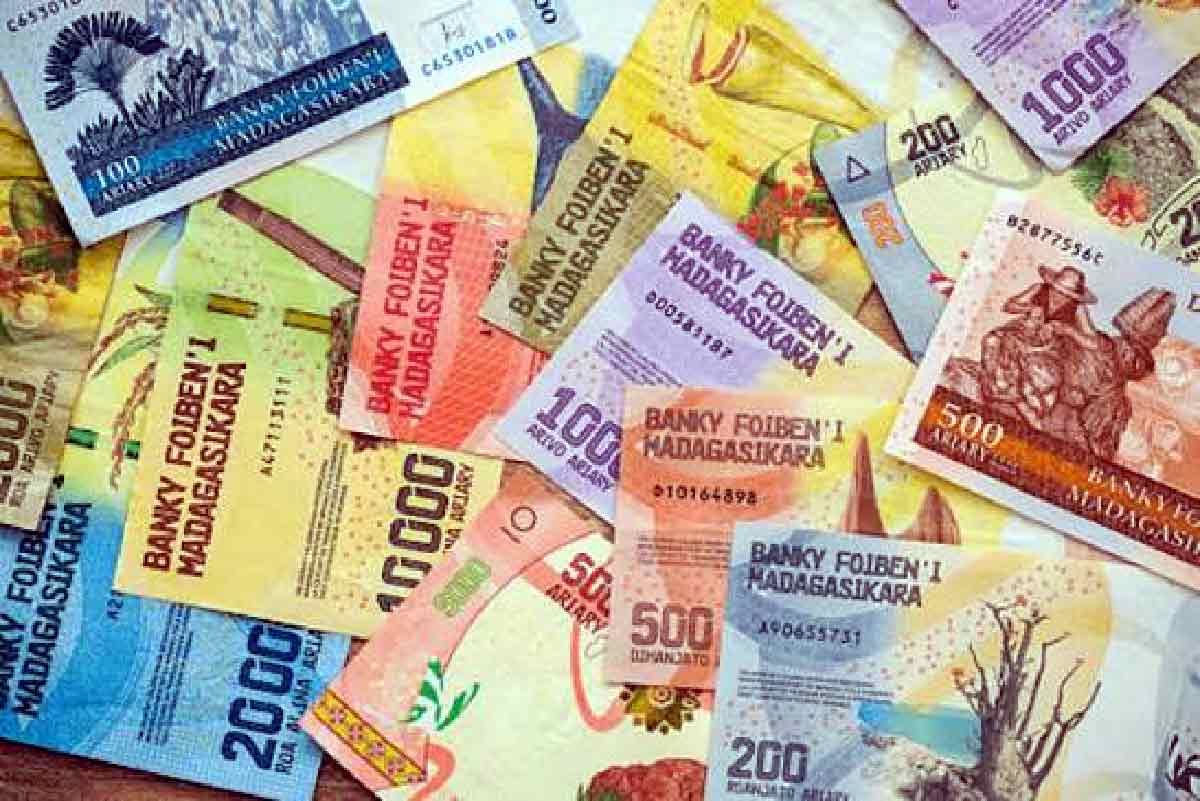
The ariary is back on the depreciation path. After a spectacular appreciation in the first half of 2026, the ariary has resumed depreciating. Yesterday, at the close of the interbank foreign exchange market (MID), the euro stood at 4,318 ariary against the dollar and 4,946 ariary against the euro, compared to 4,259 ariary and 4,805 ariary respectively at the beginning of July.
Exceptional First Half
Since the start of the second half, the ariary has depreciated 2.9% against the euro and 1% against the dollar. This follows an exceptional first half for the ariary, which appreciated 7% against the dollar and 9.3% against the euro. This first-half appreciation was mainly driven by increased foreign currency revenues from mining, textile and agricultural exports, tourism, diaspora remittances, and ongoing external financing. The central bank's prudent foreign exchange reserve management also supported the ariary's strong performance during the first six months.
Petroleum Imports
Currency traders attribute the ariary's return to depreciation to increased foreign currency demand on the MID. Importers need dollars and euros to pay foreign suppliers. A recovery in imports, particularly of equipment, inputs and energy products, is putting additional pressure on the ariary. Petroleum imports by SPM are largely driving this surge in foreign currency demand. Rice imports to regulate the market, currently marked by rising local rice prices, could add to this. The transitional government's decision to suspend taxes on imported rice could further boost rice imports and increase foreign currency demand.
Still Stronger
For now, the figures are not as alarming as they might seem. While the ariary has lost ground since July, it remains significantly stronger than at the start of the year. The question is not yet about a return to currency weakness, but rather a correction after spectacular appreciation. In a country heavily dependent on imports and foreign currency inflows, the trajectory over coming months will be particularly instructive. It will show whether the ariary is finding an equilibrium level or merely temporarily correcting exceptional appreciation.
Regardless, this correction will not affect all economic actors equally. For importers, a rise in the dollar and euro mechanically increases the cost of foreign purchases. If the trend continues, it could gradually feed into domestic prices, especially for products heavily dependent on imports.
Stability
For exporters, the situation differs. Slight ariary depreciation increases the domestic currency value of foreign currency revenues, potentially improving competitiveness and margins, provided production costs are not heavily import-dependent. Exporters in key sectors like vanilla, textiles and agribusiness benefit most from current trends.
For households, the effect is more indirect but potentially significant. In an economy where a large share of consumer goods, fuel, equipment and inputs come from abroad, sustained ariary depreciation creates price pressure.
In any case, monetary authorities remain aware that the goal is not necessarily constant ariary strength. Excessive appreciation can hurt exporters, while excessive depreciation can fuel inflation. "The challenge is rather to achieve relatively orderly exchange rate evolution, compatible with economic fundamentals and the needs of different sectors," ensuring ariary stability.