Domestic
Iavoloha: Eight days of talks on 2027 elections
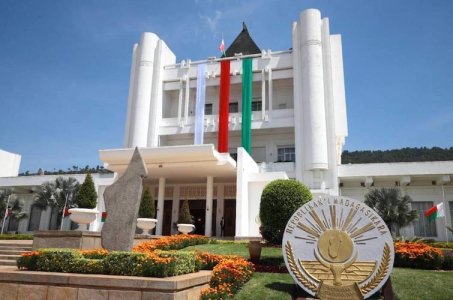
Preparations for Madagascar's upcoming elections are entering a new phase. From September 1-8, the Presidency of the Refoundation of the Republic will convene political parties, groups, civil society organisations specialising in electoral matters, and representatives of key stakeholders at Iavoloha. Political structures and CSOs must demonstrate regular legal status to participate in the discussions. This meeting extends an initiative launched in late July by Colonel Michaël Randrianirina. The head of state met with two former leaders on July 27, marking the first step in a series of exchanges on political and institutional futures. The goal is now to forge a sufficiently shared position to prepare for future elections without prolonging the current period. Upon returning from the SADC summit on August 18, the president confirmed the 2027 election objective and stressed the need to move quickly. The CENI holds a central role in this process. Electoral roll reforms should enable it to technically organise elections from July 2027 onwards. However, the authorities' announced timeline remains particularly tight. The schedule presented to SADC on February 28 envisages a first electoral consultation between May and July 2027, in the form of a referendum or constitutional election. The presidential election would follow between September and December. Another timeline could complicate this plan. The national consultation schedule led by FFKM foresees conclusions only after May 2027. Yet these discussions must feed into future constitutional texts ultimately to be submitted to voters. Holding a constitutional consultation as early as July would leave limited room for manoeuvre. Authorities intend to prevent this constraint from slowing overall preparations. When launching national consultations, Colonel Thierry Rampanarivo, senior adviser to the Refoundation, defended simultaneous work: electoral reforms that can begin immediately should not await completion of national dialogue. The stated ambition remains transparent, credible, peaceful elections with broad acceptance. The Iavoloha meeting could thus help resolve several sensitive political questions beforehand. Participants must seek common ground on electoral governance, scrutiny safeguards, and their organisation order. With such a compressed timeline, the possibility of a presidential election before the constitutional consultation could also fuel discussions. Another potentially delicate issue: eligibility criteria for the presidency. Behind the technical aspects of electoral preparation lies a decisive debate on the rules of the next political cycle. For eight days, Iavoloha must attempt to bridge sometimes divergent positions to transform the 2027 timeline into an electoral process accepted by the country's main stakeholders.
Source: Madagascar Tribune