Culture
Diego-Suarez: Cultural Osmosis in Motion
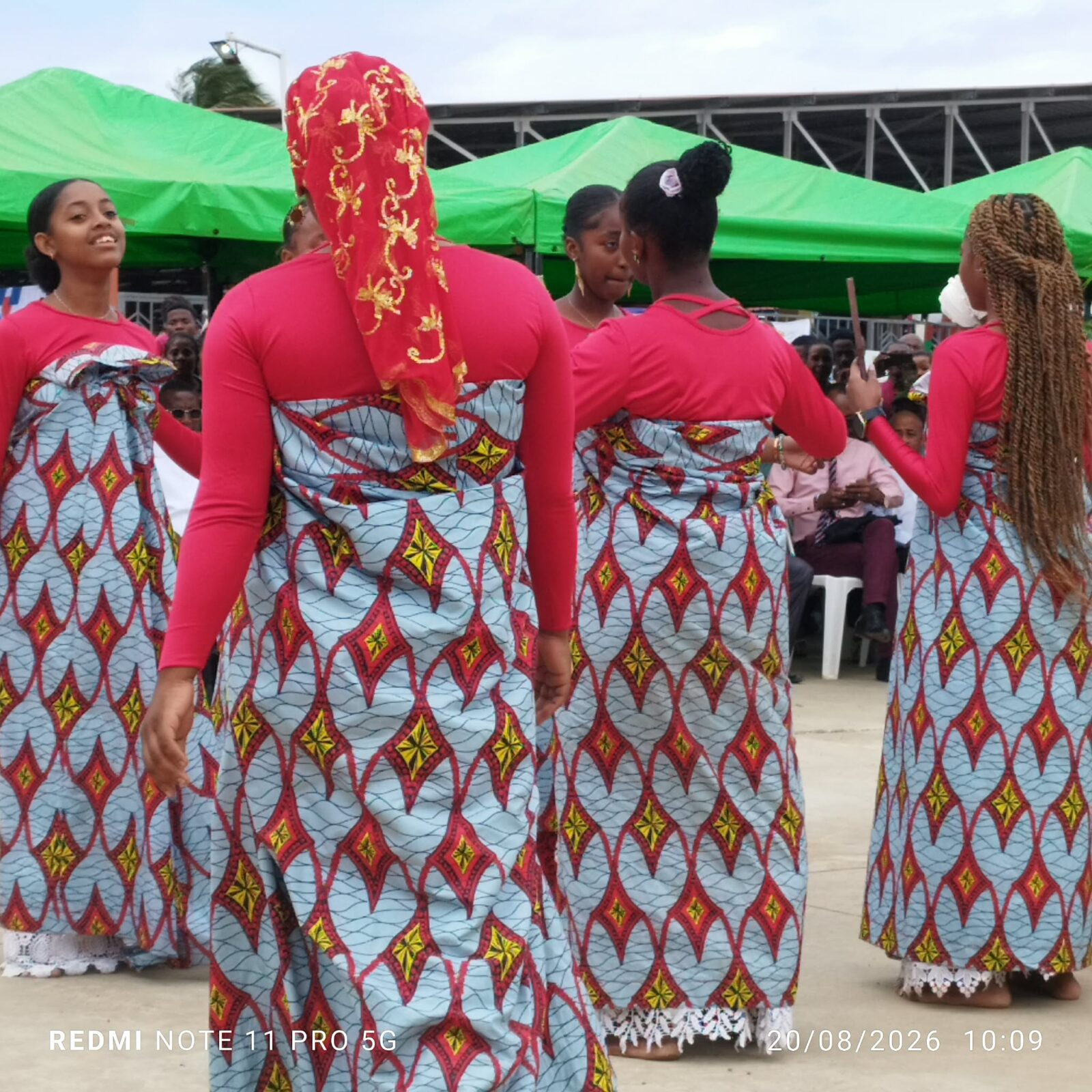
The Mahorais oadraha (wadrà) has almost become a dance, a shared heritage of the Indian Ocean region. Culture is never static, locked away in a dusty drawer. It moves with time, absorbs, borrows, transforms and sometimes abandons what belongs to another era. It thrives on encounters, movements, exchanges and even contradictions. This is cultural osmosis. Diego-Suarez is no exception to this dynamic. Its geographical position, its history and successive cultural blending make the city of Varatraza a true crossroads of the Indian Ocean space. Immigrants brought more than just their luggage. They carried with them their intangible heritage: language, beliefs, tastes and sounds. Consequently, the northern tip of Madagascar becomes a junction point where diverse traditions intersect. Thus, Malagasy, Comorian, Mahorais, Reunionese, Seychellois cultures, along with other influences from further afield, have left their marks on daily habits, words, music, cuisine, clothing and even imagination. We must view this reality with greater perspective. What is being built today cannot be confined to the old logic of "100% Malagasy." A culture that refuses all contact ends up mummified. It lives by confronting its era, adapts to its environment and finds new ways to continue existing. In Diego, salegy, antsa, tsapiky and other traditional musical expressions continue to vibrate through ceremonies, festivals and popular gatherings. However, other sounds are emerging... Young people no longer live in quite the same cultural universe as their parents. Their parents themselves were already different from the previous generation. "What matters is elsewhere: knowing who we are, without fearing what we become. Preserving memory does not mean refusing all evolution. Heritage is not a museum piece to be contemplated behind glass. It breathes, transforms and is transmitted," argues sociologist Dr Salazin Andriamitarika. Of course, this does not mean accepting everything in the name of modernity. A society that forgets its roots risks losing the landmarks that allow it to understand its path. But preserving does not necessarily mean freezing. Memory can be a compass without becoming a chain. The Great Island has long been a land of encounters. Diego-Suarez is a particular illustration of this. Influences do not always make old practices disappear. They displace them, mix them. A song can carry old memory on new rhythm. A word from elsewhere can eventually belong to everyday language. Cultural identity is therefore not a yellowed photograph that time should preserve intact. It resembles more a river: it keeps its name, its water is never exactly the same.
Source: Midi Madagasikara