Domestic
Energy Sovereignty: Madagascar Overhauls Downstream Oil Architecture
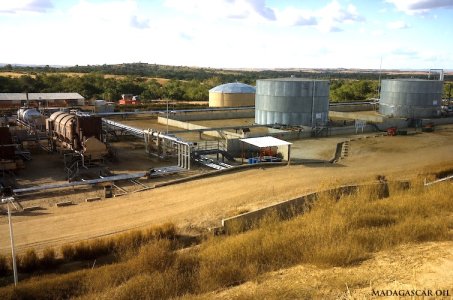
To address critical logistical vulnerabilities and shield the national economy from global price volatility, the Malagasy government is undertaking a comprehensive restructuring of the downstream hydrocarbon sector. Orchestrated by the energy policy of the Ministry of Energy and Hydrocarbures, this initiative aims to guarantee sustainable supply security while correcting deep territorial inequalities that hinder energy access in remote districts across the island. Central to this strategic trajectory is the gradual creation of state strategic reserves. Facing recurring saturation of current storage capacity and heavy dependence on international maritime shipments, establishing secured reserves will provide a safety buffer capable of absorbing potential logistical disruptions or geopolitical shocks. Complementing this storage effort, the executive is considering establishing a national refining facility. In-depth technical studies must be conducted to determine optimal location and financial viability of modern refineries. The objective is to add local value to the territory's raw resources, such as the heavy oil deposits of Tsimiroro, thereby reducing the import bill for finished products. To energize the market and stimulate private investment, the state is ending historical restrictions by opening the entire value chain—from importation to transport, storage, and retail distribution—to any operator meeting strict legal and environmental criteria. To ensure this liberalization does not benefit only major urban centers, priority investment zones will be identified, equipped with incentive frameworks designed to connect remote regions to regular supply circuits. The sector's modernization ultimately rests on a major technological leap in regulation. The Malagasy Office of Hydrocarbons (OMH) will see its prerogatives and independence strengthened. Supervision will now rely on real-time automated gauging systems and integrated digitalization of health and customs controls. This renewed framework incorporates strict environmental requirements, providing for enhanced safety standards at facilities and the gradual introduction of alternative fuels to initiate the nation's energy transition.
Source: Madagascar Tribune