Economy
AfCFTA: Main barriers to African integration identified within countries
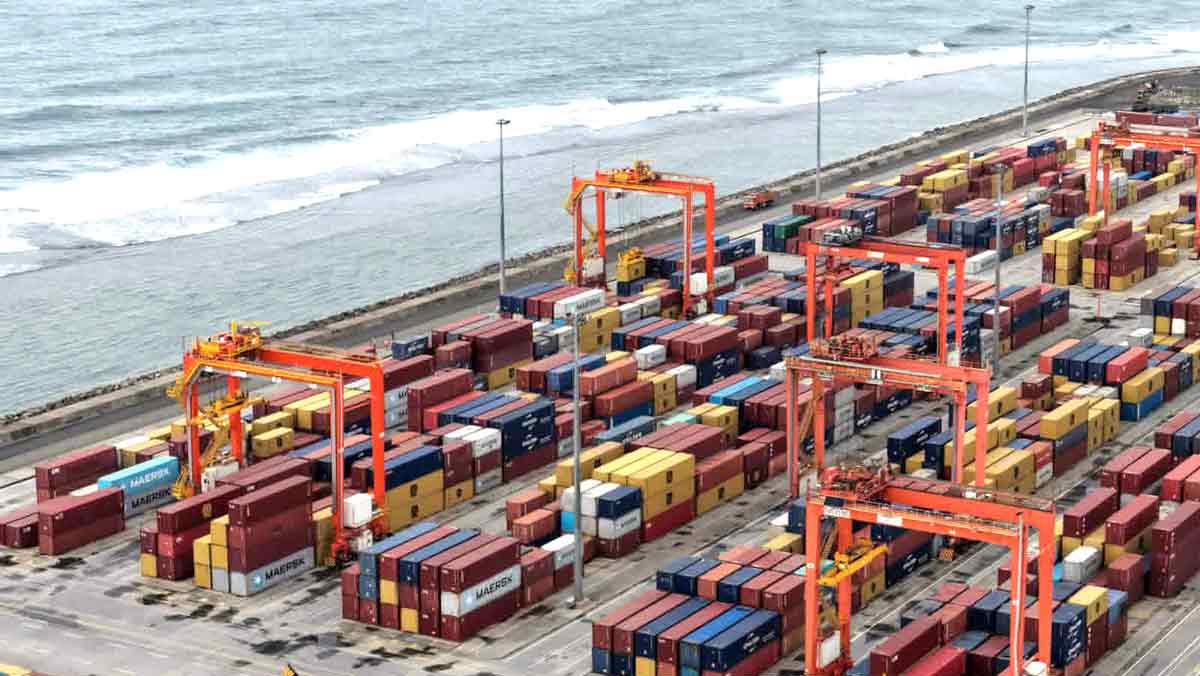
The World Bank highlights obstacles to African integration stemming from the countries themselves. Nearly 60% of trade costs on the African continent originate within countries. Further liberalization of services could increase service trade in the AfCFTA by 60 to 64% by 2035. Moving from agreements to effective implementation is the main message of the report Integrating Africa: From Threads to Hubs, presented yesterday jointly by the African Union Commission, the United Nations Economic Commission for Africa, and the World Bank Group. Africa now has the African Continental Free Trade Area (AfCFTA), but the real challenge is transforming it into a functioning market. The study, co-published by the World Bank and the French Development Agency, proposes transforming existing multiple connections into genuine regional production hubs. The potential is considerable. Intra-African trade still represents only 15 to 17% of exports, but stands out for a much more industrialized structure. More than 60% of these flows consist of manufactured products, while more than half of African exports to the rest of the world remain composed of primary products. This difference places regional integration at the heart of industrialization and job creation issues. National factors Borders are not the only obstacle. Approximately 60% of trade costs are linked to national factors: customs delays, weak transport and logistics, poorly harmonized regulations, multiple inspections, and insufficient digitalization. The costs of intra-African trade are thus 1.5 to two times higher than the global average for countries with comparable income levels. A large part of the solutions lies in the hands of governments themselves. Electronic single windows, risk-based inspections, simplification of rules of origin, opening of transport and financial services markets are among the proposed levers. The report structures this transformation around four axes: development of regional value chains, reduction of trade friction, deepening and implementation of agreements, and provision of common regional infrastructure, particularly in transport, energy, and digital sectors. For Ndiamé Diop, World Bank Vice President for East and Southern Africa, "Africa has a continental free trade agreement. The focus is now on its implementation," he emphasized.
Source: Midi Madagasikara