Culture
Zily Boana: A Malagasy Memory to Pass On
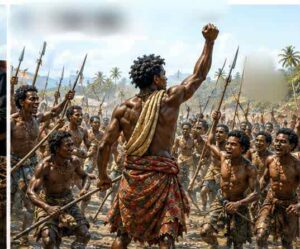
Young Malagasy people have always been criticized. "They no longer understand our culture, they no longer know our traditions," some elders insist. This criticism has become almost routine. Yet this youth is not necessarily indifferent to their heritage. They mainly seek to understand the origins and meanings of practices passed down by previous generations. In sacred places, rituals are observed with attention. Young people want to know their foundations, stories, and symbols. "I often ask my grandparents the why and how of tradition, but their answers seem vague, even incomprehensible," says Tony Razanamiaina, an 18-year-old high school student. This situation reflects above all a difficulty in transmitting cultural memory. Today's youth also grows up in a world largely open to the outside. Stories and legends from China, Japan, India, and Great Britain occupy an important place in their imagination. Films, series, books, and now digital platforms have greatly contributed to their spread. Great foreign epics have become accessible to all. Their heroes, adventures, and mythologies cross borders with remarkable ease. Meanwhile, several Malagasy narratives remain confined to oral tradition. This is notably the case with Zily Boana. His odyssey, his tumultuous journeys at sea, and the stories surrounding his character constitute considerable narrative heritage. Yet this history remains largely carried by the memory of elders. It is passed down from generation to generation, with the risk of certain details disappearing over time. The arrival of artificial intelligence now offers new possibilities. Enthusiasts are beginning to use these tools to highlight legends, historical narratives, and great figures of Malagasy memory. Illustration, transcription, popularization, and digital distribution allow these stories to gain new visibility. However, this dynamic remains insufficient. Technology alone cannot ensure the preservation of heritage. It must accompany the work of literary scholars, historians, researchers, writers, and especially tradition keepers. Several Malagasy authors have already dedicated their works to this mission. Their work builds bridges between ancestral memory and current generations. But the task remains vast. Malagasy culture possesses narratives capable of rivaling great legends from elsewhere. Zily Boana is an illustration of this. It now falls to each generation to bring these stories out of pure orality and give them a lasting place in books, schools, media, and new digital spaces. A memory that is passed on does not age. It simply changes voice. Iss Heridiny
Source: Midi Madagasikara