Economy
Ambatofinandrahana: Local Economy Weakened by Barley Market Crisis
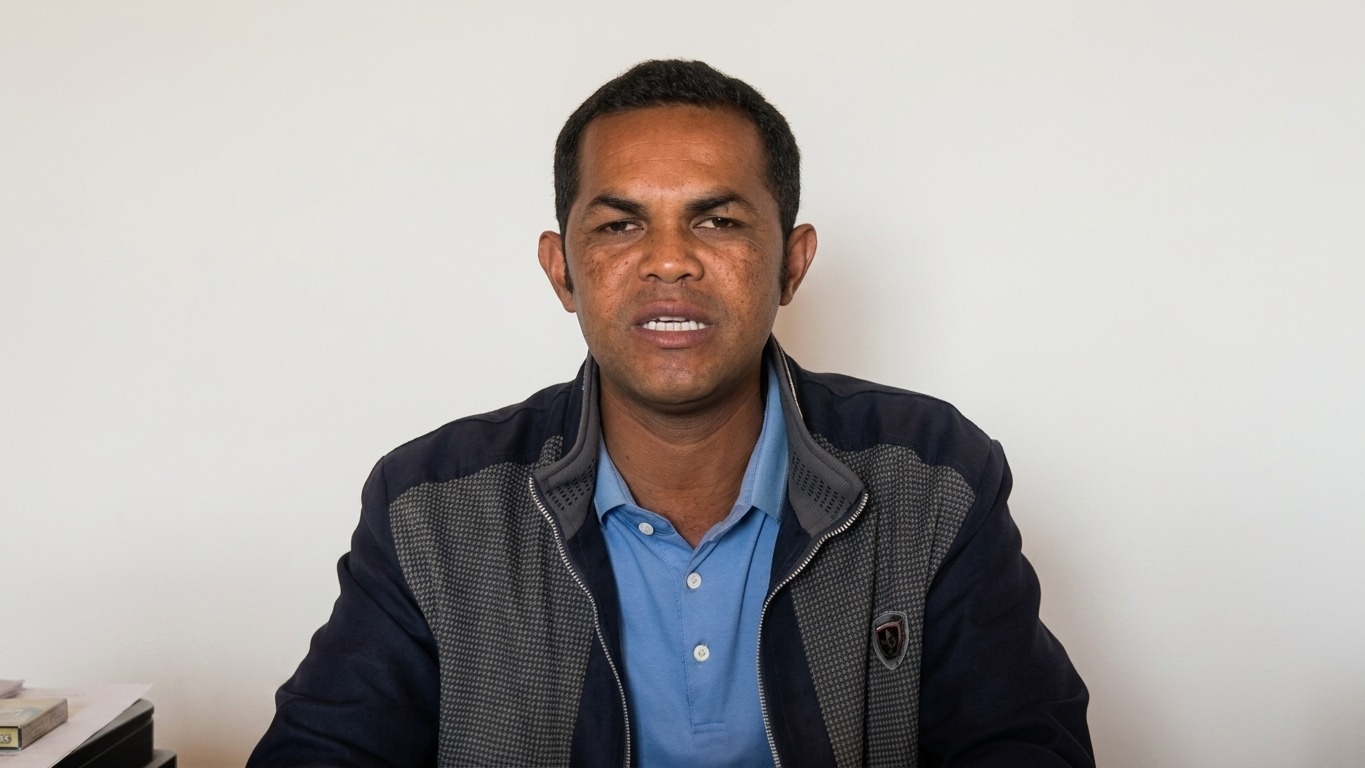
Fenonantenaina Honoré Patrick, mayor of the rural commune of Anjoma Nandihizana Barley cultivation, a key sector for socioeconomic development in the Amoron'i Mania region, is currently under serious threat. Since this year, producers have observed a significant decline in profits from their activity, even as production and maintenance costs continue to rise. Major source of income This presents a bleak outlook for the many households that have long depended on this sector. In Ambatofinandrahana, for example, barley cultivation is not simply one agricultural activity among others. It is, above all, a major source of income, particularly during the off-season period. Revenue from this production enables families to cover daily expenses, prepare for the next agricultural campaign—particularly rice cultivation—finance children's education, and invest in necessary equipment such as livestock or machinery. Over the years, the development of this crop has gradually contributed to improving living conditions for certain rural households. Increased purchasing power has allowed several families to better meet their needs and, for some, to invest more in their children's education. Prohibitive taxation However, this balance is now fragile due to difficulties in the barley market. Since this year, producers have noted a significant drop in profits from their activity, while production and maintenance costs are rising. Pressure on farm revenues is intensifying. For Fenonantenaina Honoré Patrick, mayor of the rural commune of Anjoma Nandihizana in Manandriana district, the consequences of this situation extend beyond barley producers. The entire local economy risks suffering the effects. He points particularly to prohibitive taxation as one source of the problem. According to him, increased excise duties applied to the STAR company have had repercussions on the barley market and, consequently, on producers. "The degradation of producer revenues directly affects their living conditions and could, in the long term, weigh on the commune's economic activity," the mayor states. This barley sector crisis also threatens local revenues. Indeed, the weakening of the sector could have consequences for the financial capacity of local authorities, which could lose rebates that constitute an important revenue source for them. Thus, decentralized territorial authorities could no longer finance infrastructure and various local development initiatives. Dramatic situation For farmers, the stakes directly concern families' ability to maintain their living conditions and prepare for the next agricultural seasons. Randrianantenaina Solondraibe Jean, a barley producer in Ambatofinandrahana, fears the dramatic situation that sector actors could face, having previously experienced better times before this current threat. "Previously, improved revenues allowed families to increase their purchasing power and better support their children's education," he recalls, regretting that "this progress is now called into question by the prospect of reduced barley cultivation areas." Producers particularly fear the consequences of reduced cultivated areas on household revenues. They are calling for the difficulties they face to be examined with particular attention, to prevent the contraction of this activity from further weakening rural families.
Source: Midi Madagasikara