Politics
Antoine Rajerison: 'A Democratic State Respects Freedom of Expression'
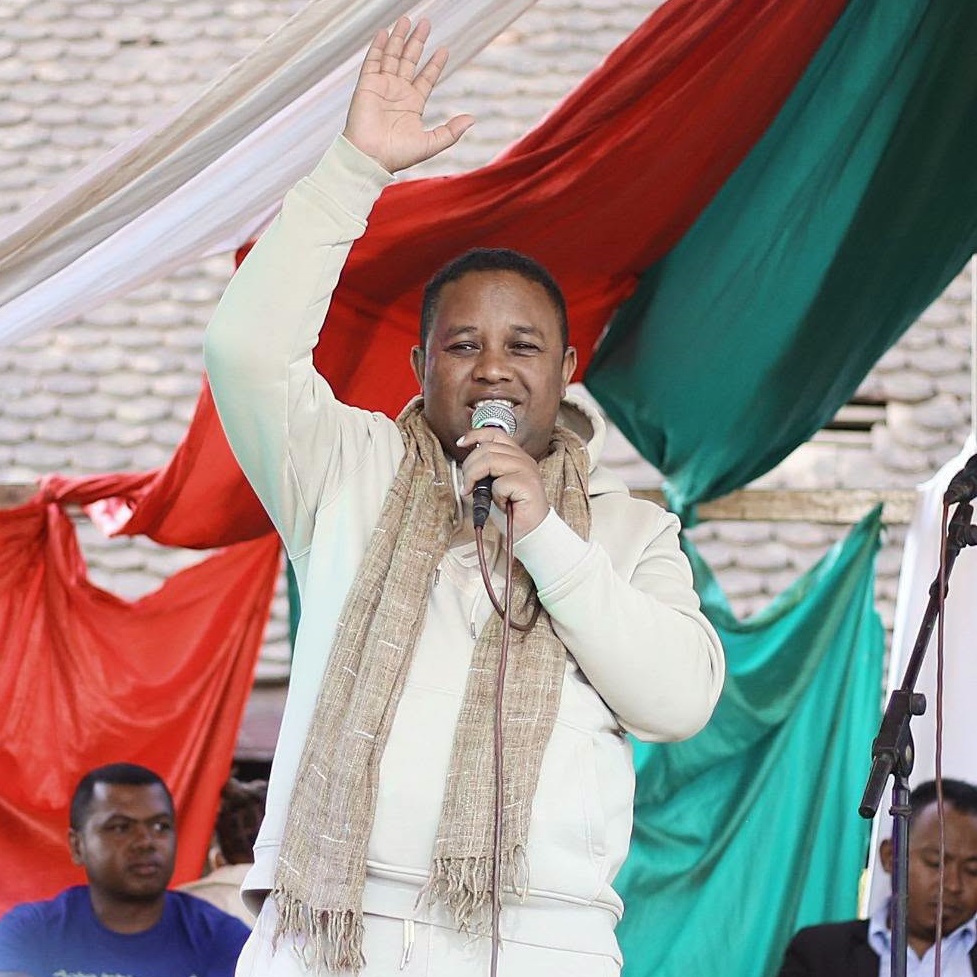
"It guarantees citizens and their representatives the right to criticize, oppose, express opinions and resort to law, without fear or sanction," argues deputy Antoine Rajerison. Facing waves of arrests and political pressure, deputy Antoine Rajerison questions the democratic nature of the regime in place since October 2025. "Madagascar: Democratic State or Authoritarian State?" This is the question raised by the deputy elected in the Arivonimamo district, Antoine Rajerison. Confronted with multiplying arrests, the latest being that of Haritsilavo Rakotoson, the elected official calls on public opinion to reflect on the true nature of the political regime in place since October 2025. "If we are truly in a democracy, citizens who have the courage to stand up and denounce malfunctions should be protected," the deputy maintains, suggesting that Madagascar is dangerously drifting away from democratic standards. According to Antoine Rajerison, the criteria are unambiguous: "A democratic state is one that respects freedom of expression, press freedom, political pluralism, citizens' rights and institutional independence." Political Persecution "Have we made progress, or have we shifted toward an authoritarian regime?" the parliamentarian wonders, hoping to raise awareness among an opinion he judges held captive by a climate of fear. Supporting his doubts, the Arivonimamo deputy testifies to the ordeals he claims to have endured since filing his request with the High Constitutional Court (HCC) to contest Executive actions. Since then, he says he has been victim of genuine political persecution: constant jamming of Radio Fivoarana, tax harassment following his positions, attempts to lift his parliamentary immunity and alleged fabrication of judicial cases aimed at his arrest. Authoritarian Drift "Are we still in a democracy and rule of law, or are we already facing authoritarian drift?" the deputy insists. He recalls that "democracy is not about submission to leaders. It guarantees citizens and their representatives the right to criticize, oppose, express opinions and resort to law, without fear or sanction." The assessment made by the deputy resonates far beyond his person. A growing segment of the population, particularly urban, is beginning to express serious doubts about this regime born from mobilization in September and October 2025. While it is often argued that real change can only occur after the National Consultation in May 2027, arrests for "endangering state security" continue at a sustained pace. "I am not alone in this situation. Many people suffer pressures and injustices in silence, silenced by fear of reprisals," concludes the deputy.
Source: Midi Madagasikara