Domestic
National Assembly: Siteny bets on investigations amid dissolution calls
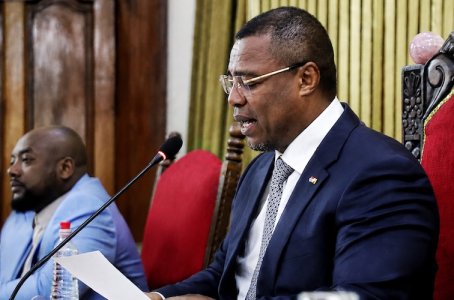
Facing calls for the dissolution of the National Assembly, particularly from Gen Z and the Association of Dynamic Students of Madagascar Universities (Assedu Mada), the president of the lower chamber, Siteny Randrianasoloniaiko, has chosen to defend the institution through action. At the opening of the second extraordinary session in Tsimbazaza, he placed public management oversight at the heart of his speech, presenting parliamentary inquiries as a demonstration of the effective exercise of deputies' prerogatives. Two commissions are currently drawing attention. One examines the situation of Jirama, particularly its management, contracts, and public procurement. The other looks into the use of public resources between 2019 and 2025 under the Rajoelina administration. The National Assembly president assures that these investigations aim to establish facts rather than serve political score-settling. He invites the population to directly follow the Assembly's activities, whose plenary sessions are public and proceedings broadcast on official platforms. Several sensitive matters have already been raised. The institution's president mentions questions concerning disbursements associated with donations received during the Covid-19 crisis. Compensation related to expropriations for the New City project is also being examined, with some beneficiaries reportedly still awaiting payments. Another issue: Barea stadium. According to documents presented to deputies, its total cost would reach 120 million dollars, against 70 million initially announced. This parliamentary offensive occurs, however, in a climate of distrust extending beyond current inquiries. Dissolution supporters criticize the lower chamber's record over a longer period, encompassing the current and previous legislatures. Political alliance shifts, debates on benefits granted to elected officials, and questions about their exemplarity particularly fuel criticism. An additional difficulty emerges: some deputies now involved in parliamentary oversight themselves participated, at various levels, in the political periods now being examined. This situation fuels questions about the independence and credibility of investigations. The commissions' results, their depth, and follow-up to their conclusions will be decisive in judging their real impact. Beyond these inquiries, the Assembly must also examine seven priority bills during this extraordinary session, including texts concerning online press and cybercrime. For Tsimbazaza, the stakes now exceed mere legislative production: it must demonstrate its capacity to effectively oversee government action and public fund use, while calls for its dissolution continue to weigh on political debate.
Source: Madagascar Tribune