Society
Food Security: 24 Zones Under Review to Anticipate Climate Shocks in Madagascar
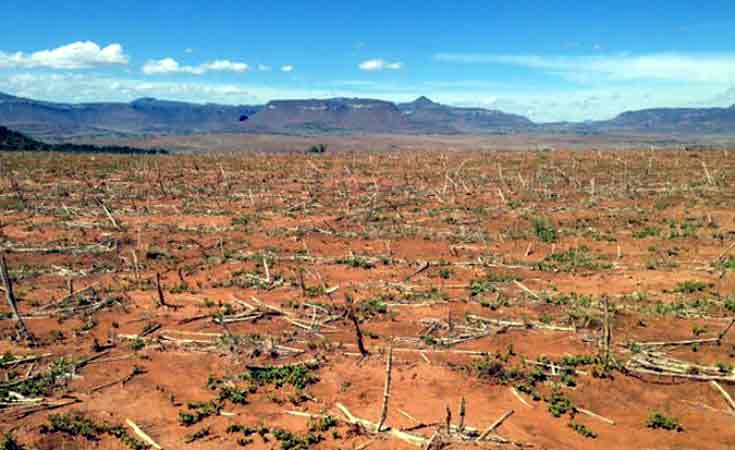
The study covers 24 geographic zones and livelihood profiles distributed across the entire national territory. As part of the "FEWS NET 8 Knowledge Base" project, funded by Chemonics, a crucial two-day workshop concluded yesterday in Ankorondrano. Initiated by FEWS NET in close collaboration with the National Bureau for Risk and Disaster Management (BNGRC), as well as strategic partners such as ADRA and Welthungerhilfe (WHH), this meeting aimed to examine and validate the socio-economic profile and livelihood means of households throughout the country. In total, the study covers 24 geographic zones and livelihood profiles distributed across the entire national territory. Through group work and in-depth discussions, participants conducted meticulous verification to ensure that data perfectly align with ground realities. These updated information will optimize the early warning system and refine the precision of nutritional situation analyses. Through this inter-institutional synergy, decision-makers will now have reliable tools to strengthen preparedness and responsiveness to climate and food security risks.
Source: Midi Madagasikara