Domestic
National Assembly: crucial extraordinary session for Tsimbazaza's future
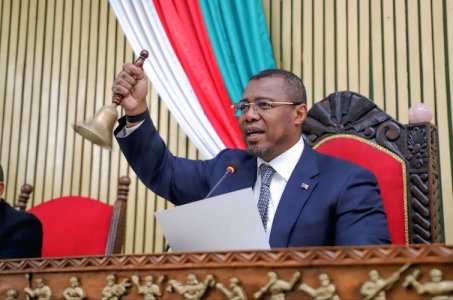
The National Assembly begins a new extraordinary session on Tuesday, August 25, amid an unusual political atmosphere. Behind the legislative work scheduled at Tsimbazaza looms a far more pressing question: whether the lower chamber will maintain its current form. The meeting was requested by deputies before being convened by decree adopted in Council of Ministers on July 7, in accordance with constitutional procedures. Its opening comes after a significant calendar change. The capital was supposed to host the SADC Parliamentary Forum plenary assembly from August 22-29. The event was ultimately relocated to another country. This modification freed up the parliamentary agenda, allowing elected officials to focus on matters scheduled for this exceptional session. Seven bills are being submitted to them. Digital issues occupy a prominent place, including a new framework for electronic communications and their infrastructure, an overhaul of cybercrime legislation, and authorization to ratify the United Nations Convention adopted in Hanoi in October 2025. Other matters concern the general status of military personnel, safe and peaceful use of nuclear technology, an agreement on productive investments in the SADC region, and gambling regulations. However, the bill on access to public information (LAICP) is not on the agenda. Awaited for two decades by civil society organizations, this measure should implement the constitutional right to access information held by public bodies. Its adoption was already postponed on May 18, with no new deadline announced. The real pressure on Tsimbazaza comes from the political context. Youth consultations held in late July at CCI Ivato placed dissolution of the Assembly among their demands. Assedu-Mada has since reaffirmed this position. Meanwhile, Gen Z activists are calling for the removal or dismissal of Siteny Randrianasoloniaiko from the institution's presidency. Facing the risk of institutional restructuring, a new parliamentary force has organized itself. Called "Vovonan'ny fihavaozan'i Madagasikara" (VFM), it brings together notably independents and dissidents from Irmar who wish to participate in political consultations within the Refoundation framework. Their concern centers on the possibility that future political dialogue could lead to replacing the current Parliament with a transitional structure. A closed-door meeting held on August 11 between VFM members and Siteny Randrianasoloniaiko had already revealed the importance of these concerns. Deputies thus approach this session with a dual deadline: ruling on important reforms and defending their place in a political architecture likely to be profoundly restructured. At Tsimbazaza, the coming debates could thus matter far beyond the laws on the agenda.
Source: Madagascar Tribune