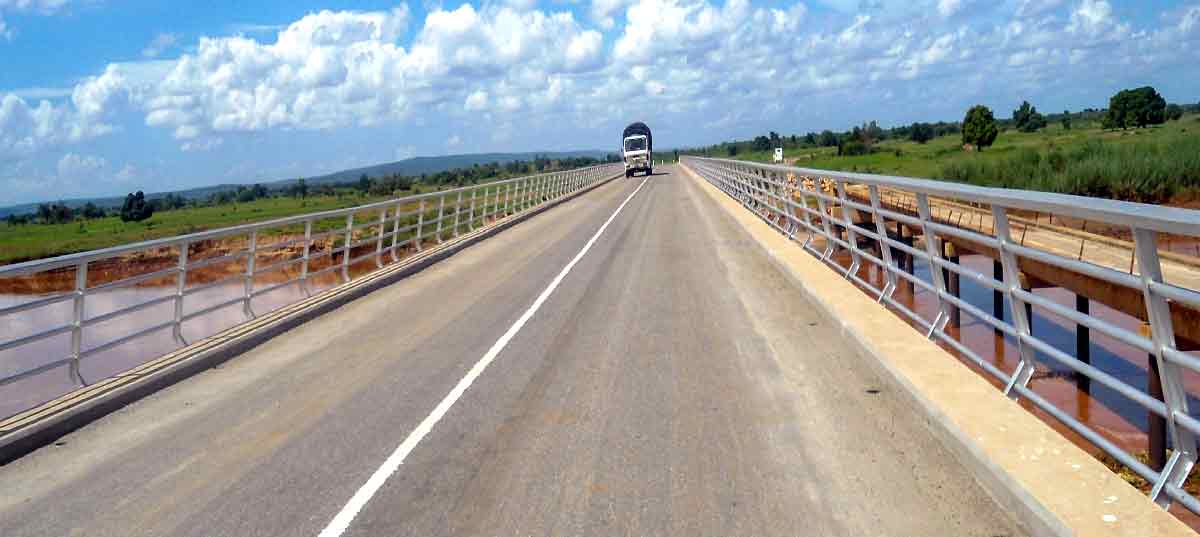
Concessional external borrowing serves to finance development projects such as road infrastructure. With a gross financing need totaling 30,759 billion ariary for the 2026-2028 period, the country's financial authorities intend to adopt a cautious approach to protect the nation from the adverse effects of exchange rate risks and rising interest rates. Priority will remain on concessional borrowing, while recourse to semi-concessional and commercial financing will be limited and reserved for projects deemed sufficiently profitable and structurally important.
Moderate Recourse
Caution appears to be the watchword of the Medium-Term Debt Strategy (MTDS) 2026-2028. Among four possible scenarios, financial authorities opted for one involving moderate recourse to semi-concessional fixed-rate and commercial borrowing. This choice results not from simple preference for a financing type, but from analysis of risks that Madagascar's public debt portfolio could face in coming years. By adopting this strategy, authorities aim to shield the Malagasy debt portfolio from the adverse effects of exchange rate vulnerability. Indeed, significant depreciation of the ariary against currencies in which external loans are denominated leads to increased costs when converted to national currency. The MTDS notes that this vulnerability becomes more pronounced when recourse to semi-concessional and commercial borrowing increases.
Privileged
In essence, the choice of caution takes on particular significance in an environment where the ariary may face pressures and international financial conditions could evolve rapidly. Excessive increase in debt contracted under less concessional terms could heighten risks to public finances. This prudent debt management policy does not mean Madagascar renounces seeking new financing sources. According to the MTDS, concessional external borrowing will continue to be privileged. "Only in the absence of sufficient concessional financing for priority projects may the State resort to semi-concessional fixed-rate or commercial borrowing," and even then, recourse must remain moderate, with preference for fixed-rate financing. This latter approach notably limits portfolio exposure to future interest rate increases. In short, for the MTDS, concessional financing remains the first option; more costly financing constitutes only complementary recourse and must be used with moderation.
Economy
External Debt: Gross Financing Need of 30,759 Billion Ariary Until 2028
Source: Midi Madagasikara