Society
Poverty: Alarming Situation in Secondary Cities
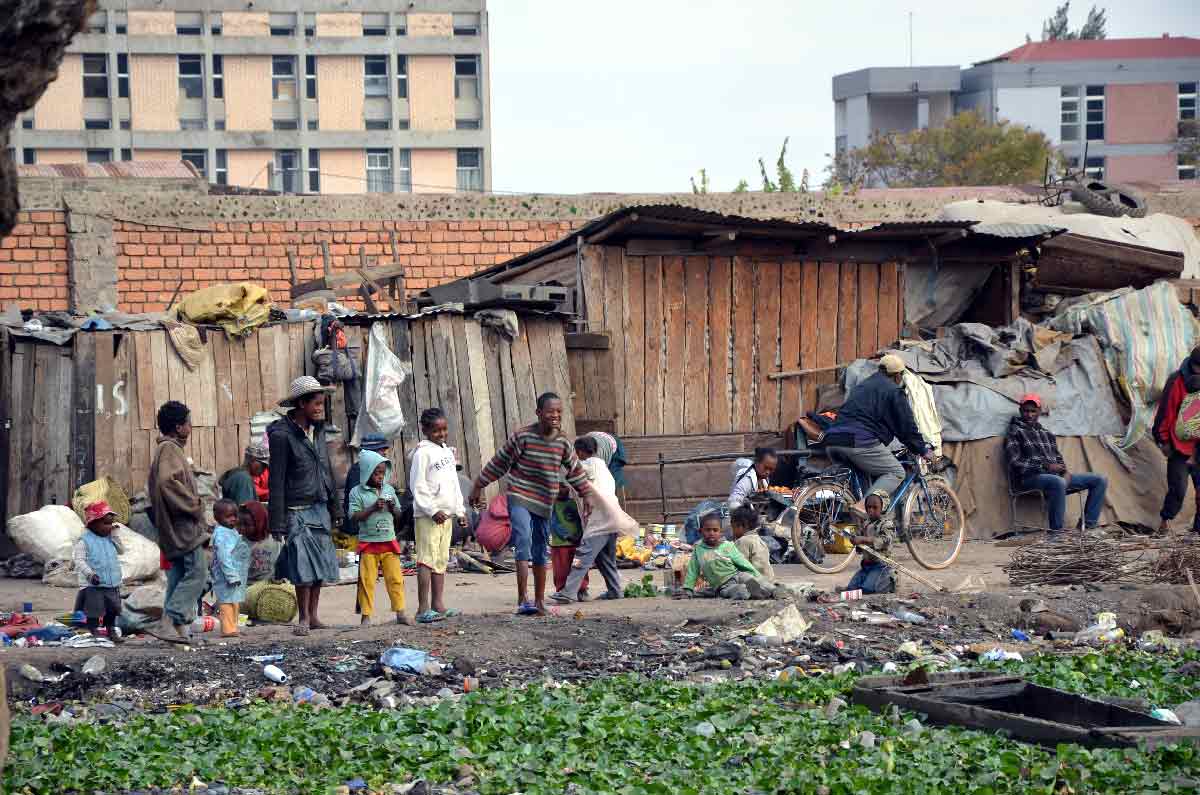
Poverty is no longer solely a rural reality in Madagascar. Over the past decade, it has surged significantly in urban areas, with a particularly concerning situation in secondary cities. This phenomenon poses new challenges regarding employment, housing, and access to essential services. Madagascar continues to face exceptionally high poverty levels. According to a World Bank poverty assessment, 75.2% of the population lived below the national poverty line in 2022. The trend is particularly alarming in cities, where the poverty rate rose from 42.2% in 2012 to 55.5% in 2022. However, the phenomenon is highly uneven. In the capital, for example, the poverty rate increased only from 33.3% to 34.8% over the same period. In contrast, the situation is drastically different in other cities, where the scourge rose from 46% to 61.1% over ten years. It should be clarified that these figures do not mean that 61.1% of residents in cities like Toamasina, Antsirabe, Antsiranana, or Toliara are poor. These rates apply to all secondary urban areas outside Antananarivo and demonstrate that living in a city no longer necessarily protects against poverty. Several factors explain the situation. Notable causes include declining consumption among urban households due to successive crises, and the inability of urban labor markets to provide sufficient opportunities. Educational returns, which are continuously declining, also contribute to these causes. Other factors influence poverty rates. Housing, transport, food, water, electricity, and employment constitute expenses that weigh heavily on households. This new geography of poverty requires the country to rethink its public policies.
Source: Midi Madagasikara