Economy
Gold Sector: Reopening of Mining Permit Applications
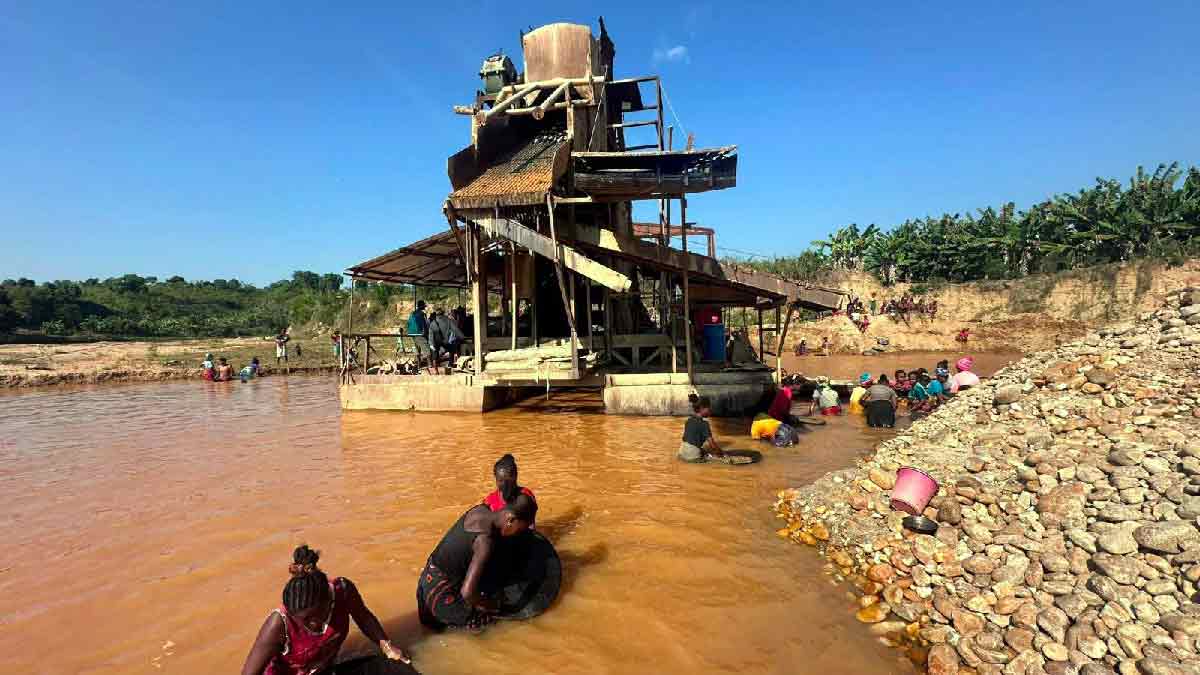
The formalization of operators using heavy equipment is also a priority. Gold extraction continues at several production sites, notably in Mananjary, despite a 16-year suspension of mining permit issuance. While authorities at all levels have made efforts to combat illegal panning, the activity has not ceased, and equipment seizures have proven limited. Faced with this situation, the Ministry of Mines is deploying a new strategy by reopening applications for gold mining permits. In return, all applicants must sign and comply with strict specifications. Payment of social contributions and implementation of Corporate Social Responsibility (CSR) actions are also among the mandatory conditions. Furthermore, the State has classified gold as a strategic resource to intervene and control all extraction operations. Operators wishing to enter the sector may also conclude a partnership contract with the State, an initiative designed to ensure better organization and rigorous monitoring of operations. Regarding permit holders who deliberately commit violations or fail to comply with current legislation, the supervising ministry warns that their permits will be revoked automatically and their equipment will be confiscated. Additionally, the formalization of operators using heavy equipment constitutes another major measure taken by the State to generate greater economic benefits for the local population, particularly in Mananjary district. Meanwhile, in the Betsiboka region, specifically in the rural commune of Antanimbary, an awareness campaign was conducted by the Ministry of Mines among artisanal panners. Mercury use is now strictly prohibited to protect the health of sector workers while optimizing production. The formalization of these operators remains a priority to ensure gold traceability throughout the value chain, from extraction and sale at gold counters to export.
Source: Midi Madagasikara